Western Salsify
Western Salsify
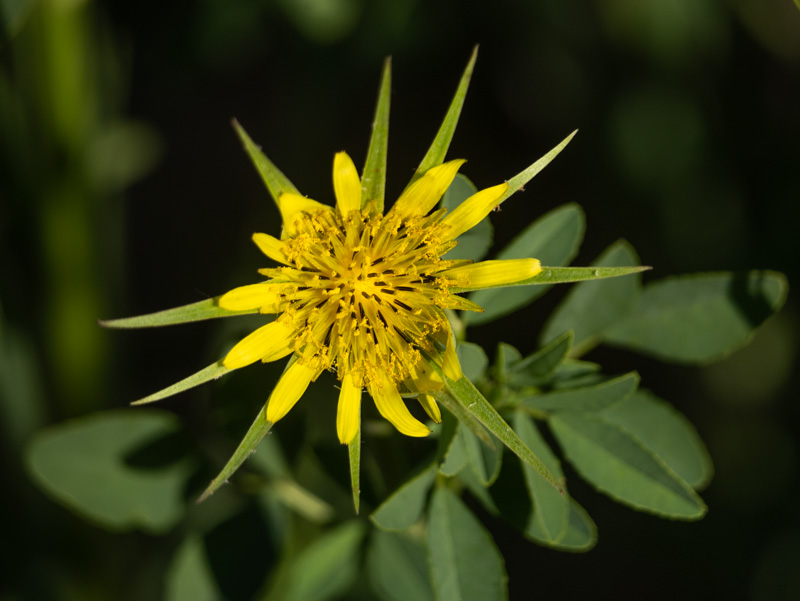
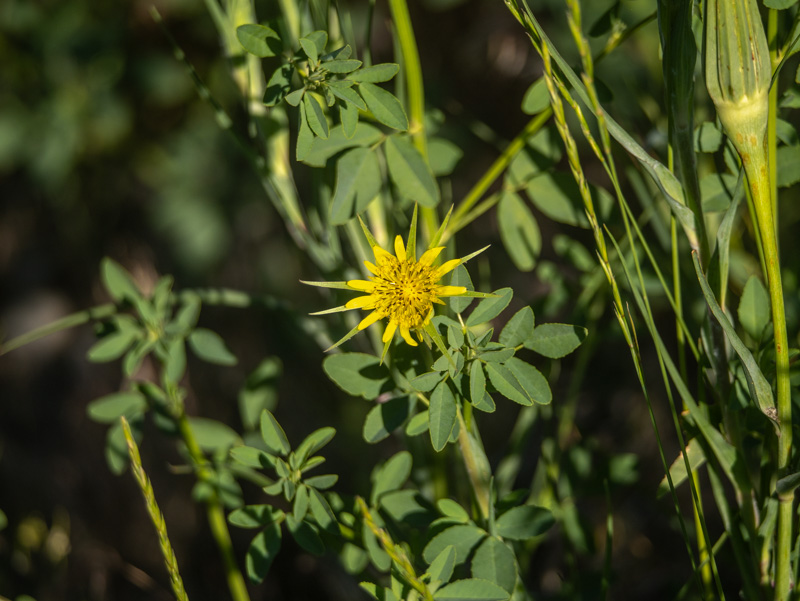
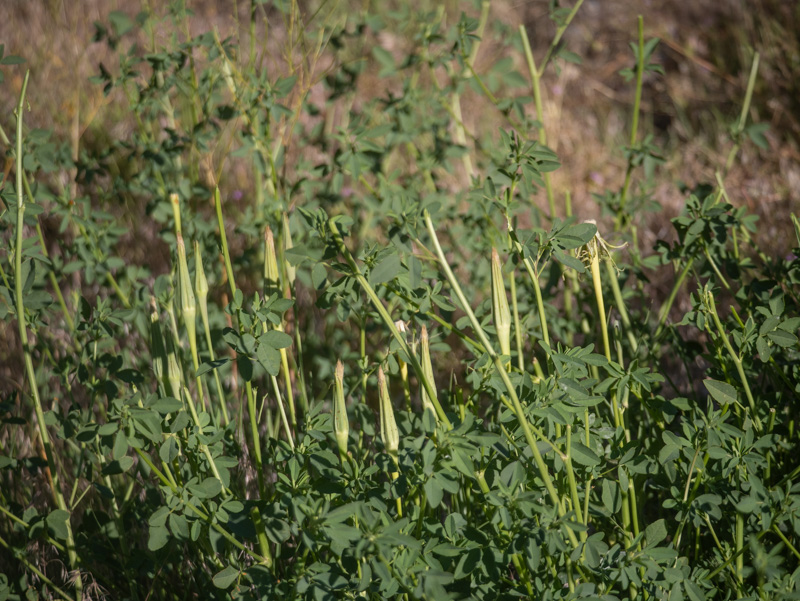
Stepping into a meadow or along a dusty trail, one might easily mistake the un-blossomed western salsify for a coarse, unassuming clump of giant grass. However, when it breaks into flower, Tragopogon dubius captures the imagination with lemon-yellow ray heads that open to greet the morning sun before closing tightly by midday. Yet, its true piece de resistance occurs post-bloom, when it transforms into a spectacular, oversized geometric sphere of feathery, gossamer-winged seeds—resembling a monstrous dandelion on steroids—that relies on the slightest summer breeze to parachute across the western landscape.
Though introduced from Eurasia, western salsify was quickly adopted by several indigenous North American tribes. The Cherokee traditionally used it as a food source, boiling, frying, and eating the nutrient-rich young plants. Indigenous groups like the Thompson people harvested the plant's thick, milky latex sap from broken stem bases, allowing it to harden into a natural chewing gum enjoyed for pleasure. Beyond consumption, the fluffy, robust pappus from the mature seed heads was meticulously gathered by tribes to utilize as soft, cotton-like stuffing for pillows and bedding.