Plant anatomy can help classify species, especilly if you know the terms to enter in the search engine.
Describing Plants
Throughout this site, photographs are used to illustrate flora and fauna. In general, and particularly for plants, the photographs are accompanied by a general introduction without a lot of scholarly nomenclature. However, clicking on the “ learn more about this plant” opens up a discussion of taxonomy (common name, scientific name, USDA symbol for the plant, other common names, synonyms for the scientific name ) along with a detailed descriptions of the various parts of the plant, it’s time of appearance, bloom times, places etc. I thought it would be a bit unfair to present these detailed and jargon heavy descriptions without a little introduction. That is exactly what this post is about, to help you understand the nomenclature of practical botany. One problem with word descriptions of plants is the incredible diversity and invention the defines life anywhere in particularly in the desert. Just when you think you have defined something, you will have an exception that needs to be named. The figures in this post are based on a glossary created by the Indiana Academy of Science (IAS), on a website maintained by the Conservation Research Institute (CRI), originally written as part of the book, Flora of the Chicago Region (FCR).
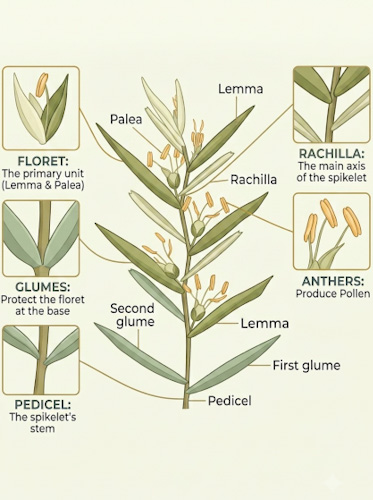
The figures in this post are based on a glossary created by the Indiana Academy of Science (IAS), on a website maintained by the Conservation Research Institute (CRI), originally written as part of the book, Flora of the Chicago Region (FCR).
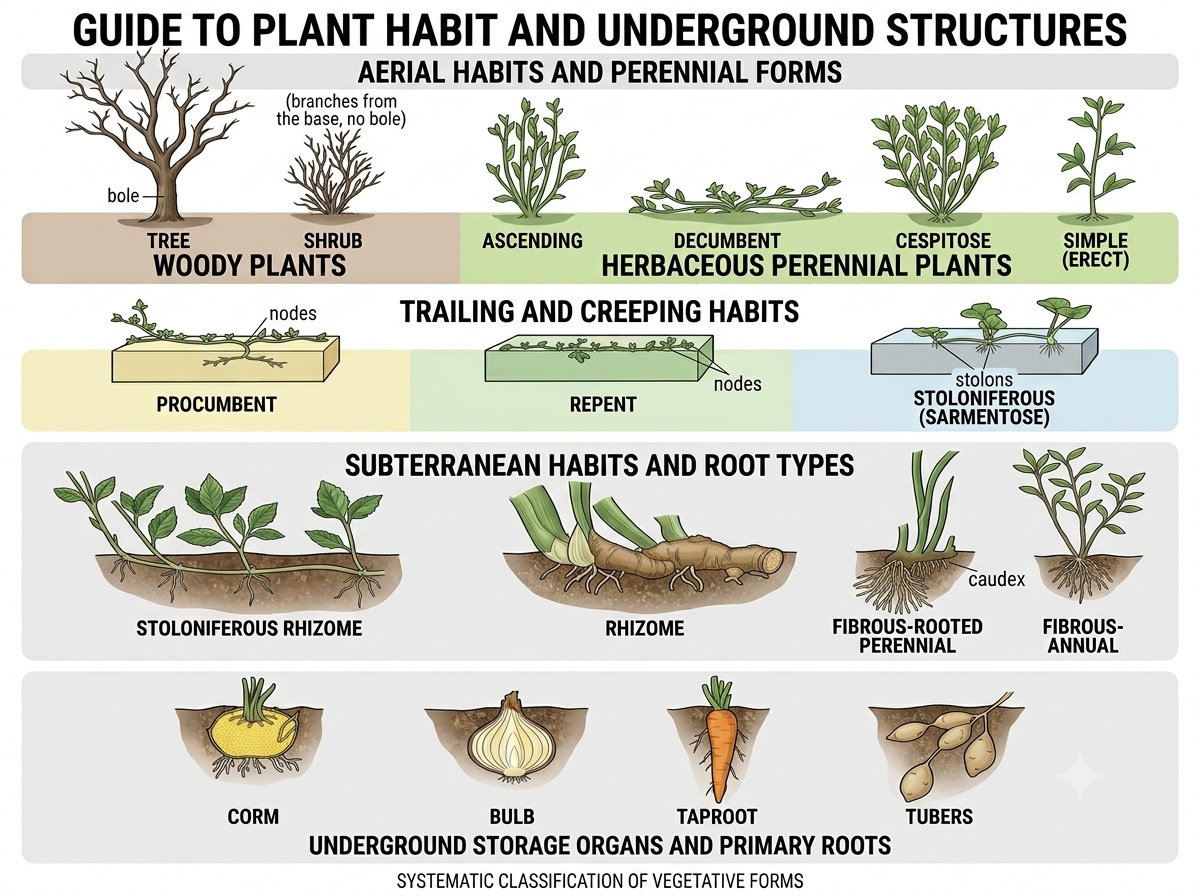
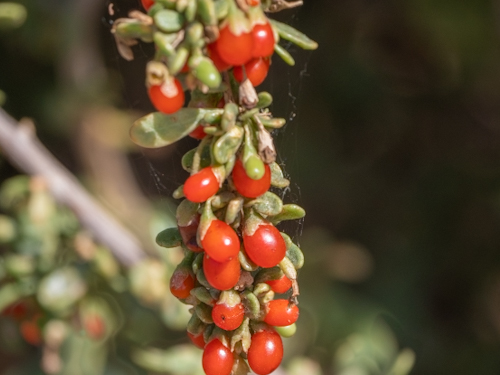
Succulent plants possess several specialized mechanisms to survive in arid conditions. They are capable of storing water within their leaves and stems, and they are covered by a waxy outer layer that effectively reduces moisture loss through evaporation.
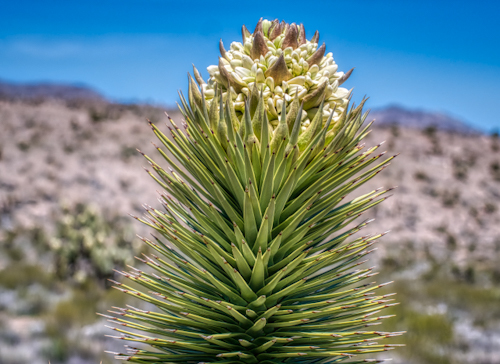
Leaf succulents, which include yuccas and agaves, often grow in a rosette pattern. This specific arrangement of leaves on the stem is designed to capture water and direct it down toward the plant’s root system. Stem succulents are typically shaped as cylinders or spheres, which is a structural adaptation that minimizes their surface area relative to their overall volume. Most stem succulents found across North America belong to the cactus family.
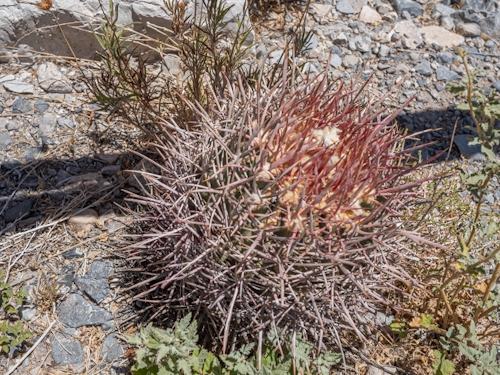
Further evolutionary adaptations unique to the cactus family include the reduction of leaves into spines, which serve as protection and further reduce surface area. Additionally, they possess ribs that are capable of expanding or contracting like an accordion to accommodate variable amounts of water storage. Another critical adaptation is their specialized type of photosynthesis (CAM), which allows them to open their pores and exchange gases only during the night when temperatures are cooler. Cacti that have flat pads, such as the beavertail, strategically position their pads at angles that ensure the least amount of direct exposure to the intense summer sun. Similarly, the tops of barrel cacti are designed to minimize heat absorption by naturally bending toward the south.
Further evolutionary adaptations unique to the cactus family include the reduction of leaves into spines, which serve as protection and further reduce surface area. Additionally, they possess ribs that are capable of expanding or contracting like an accordion to accommodate variable amounts of water storage. Another critical adaptation is their specialized type of photosynthesis (CAM), which allows them to open their pores and exchange gases only during the night when temperatures are cooler. Cacti that have flat pads, such as the beavertail, strategically position their pads at angles that ensure the least amount of direct exposure to the intense summer sun. Similarly, the tops of barrel cacti are designed to minimize heat absorption by naturally bending toward the south.
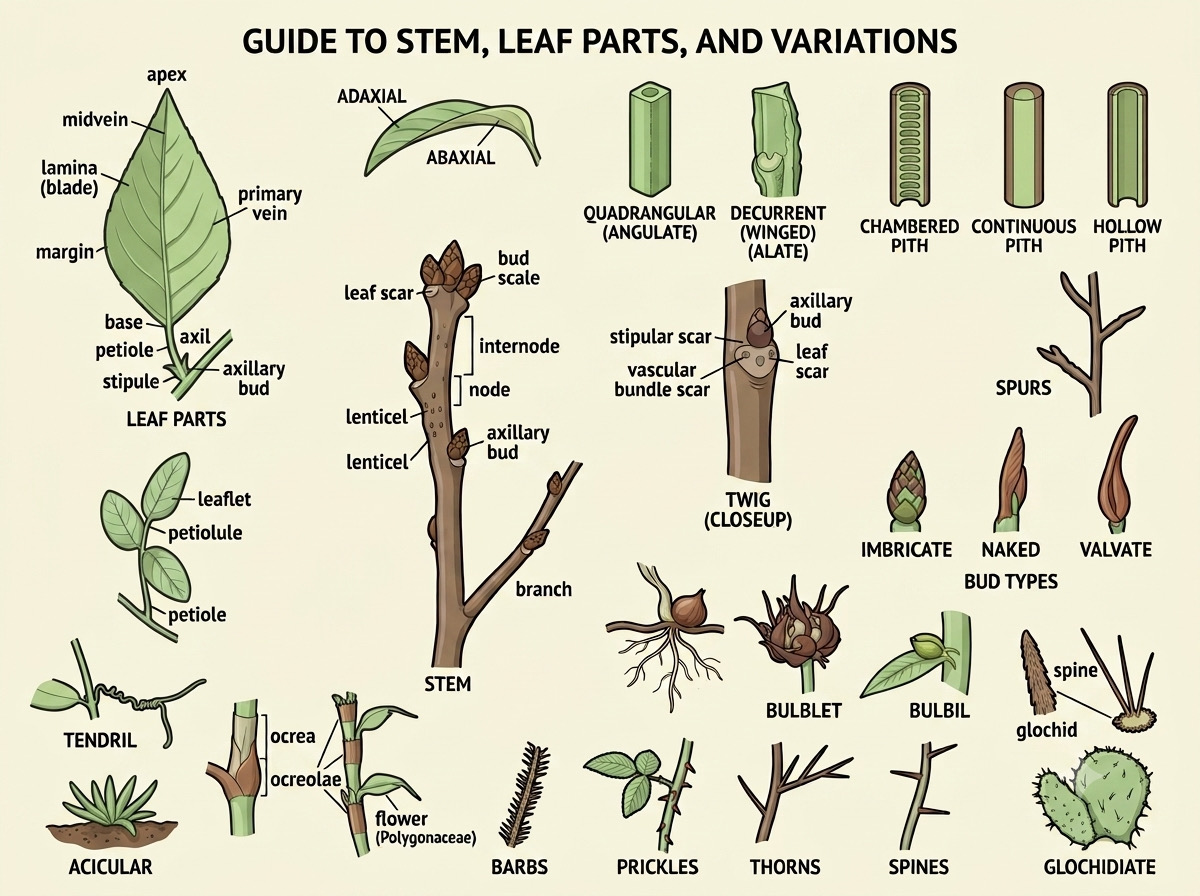
Stems and petioles are both plant stalks, but they have different jobs and places on the plant. A stem is the main body of the plant, a petiole connects a leaf to the stem, and a node is where they join. Stem adaptations in the desert include:
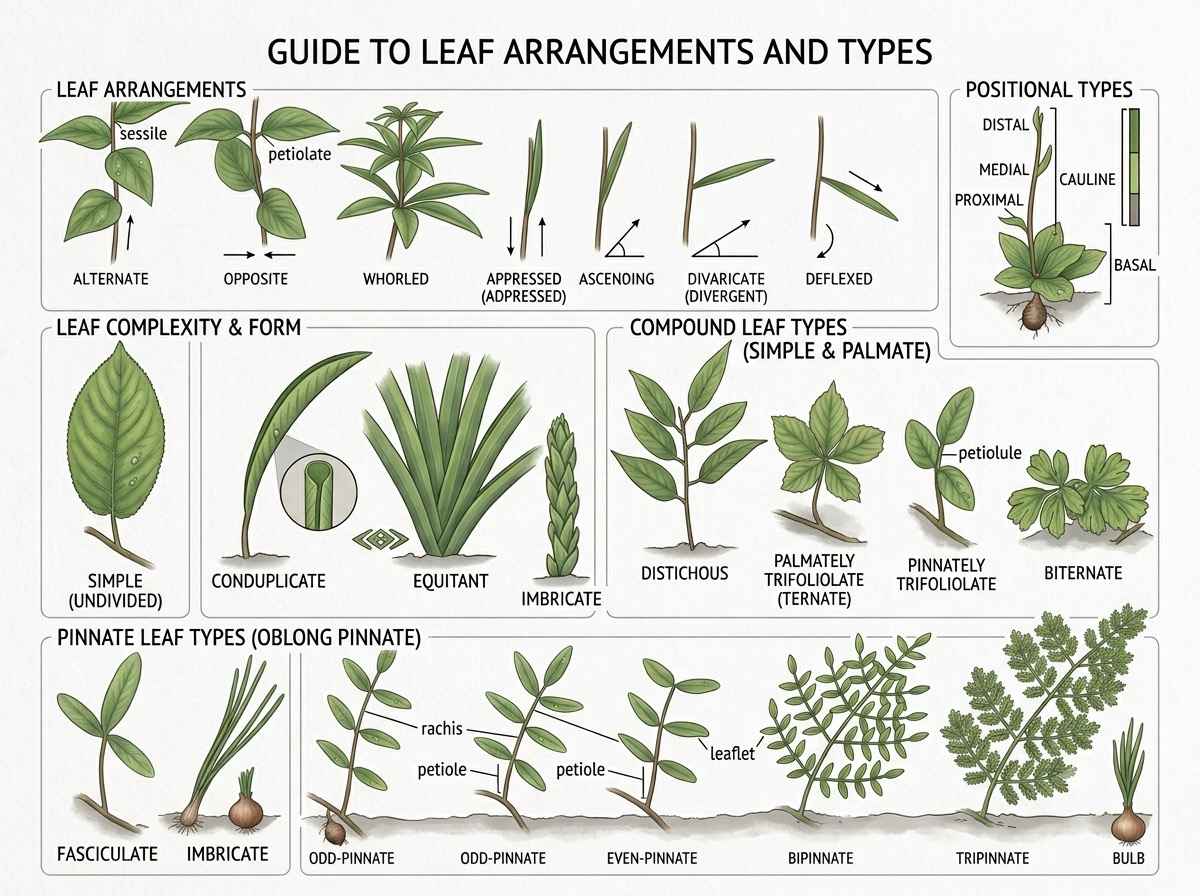
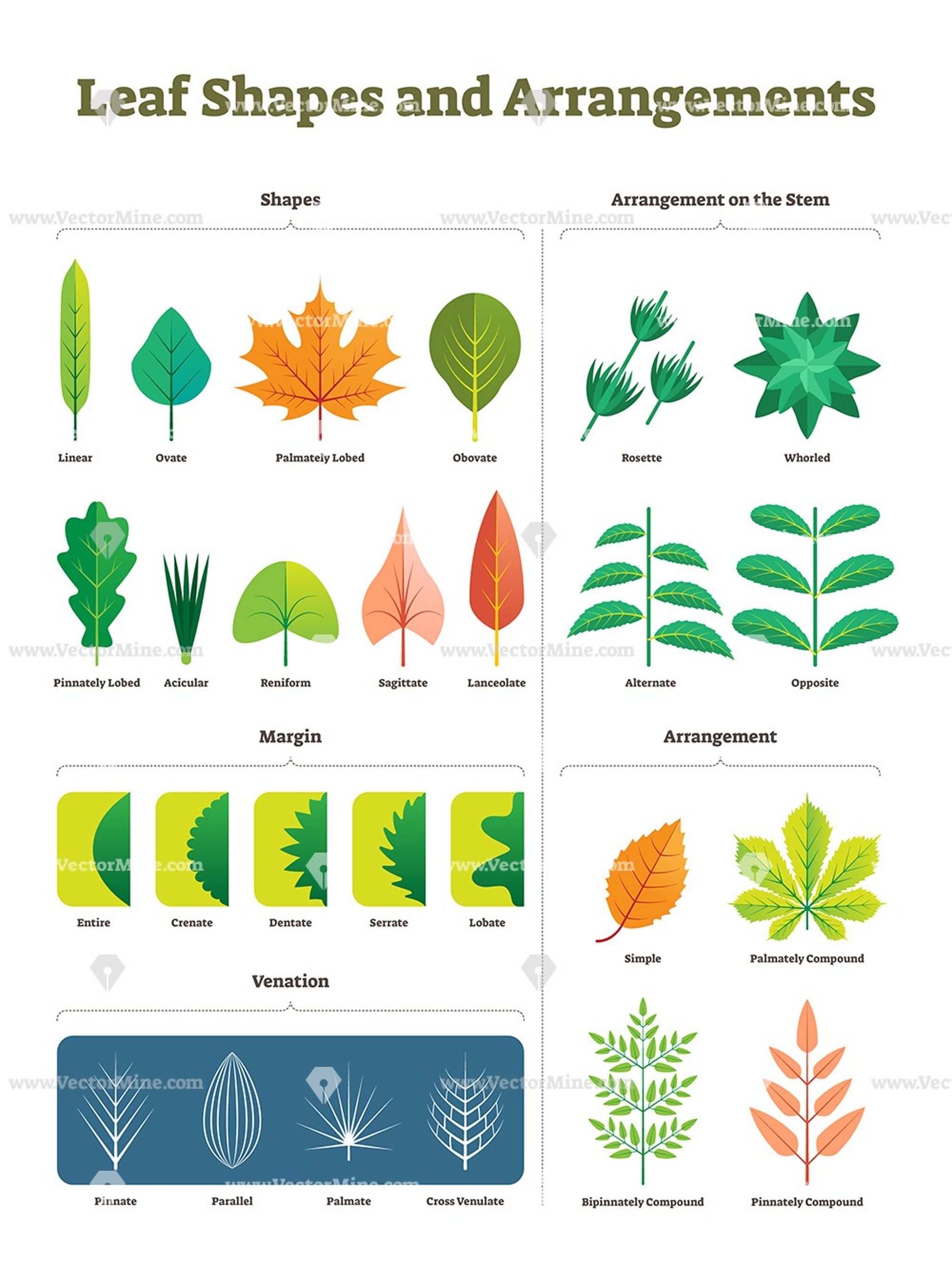
Leaf arrangement is a surprisingly good way to differentiate similar looking plants.
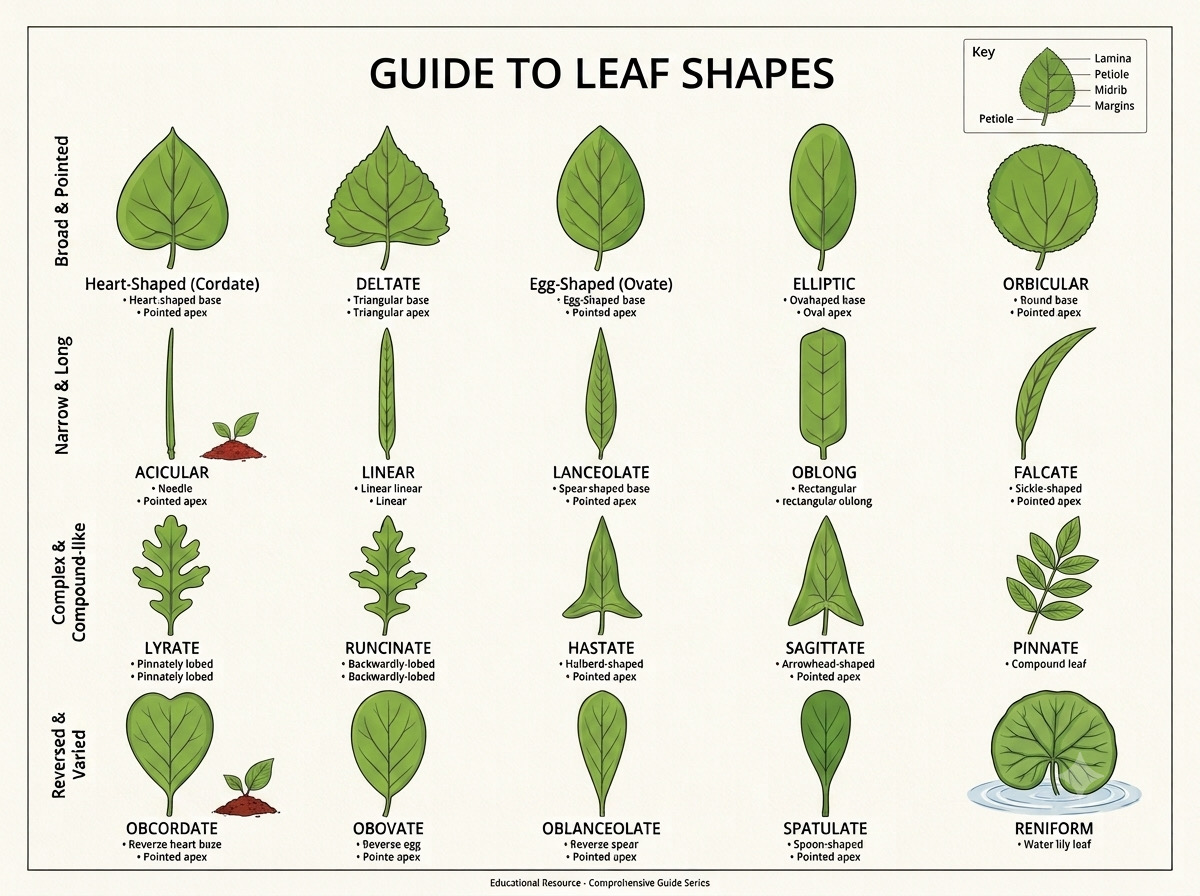
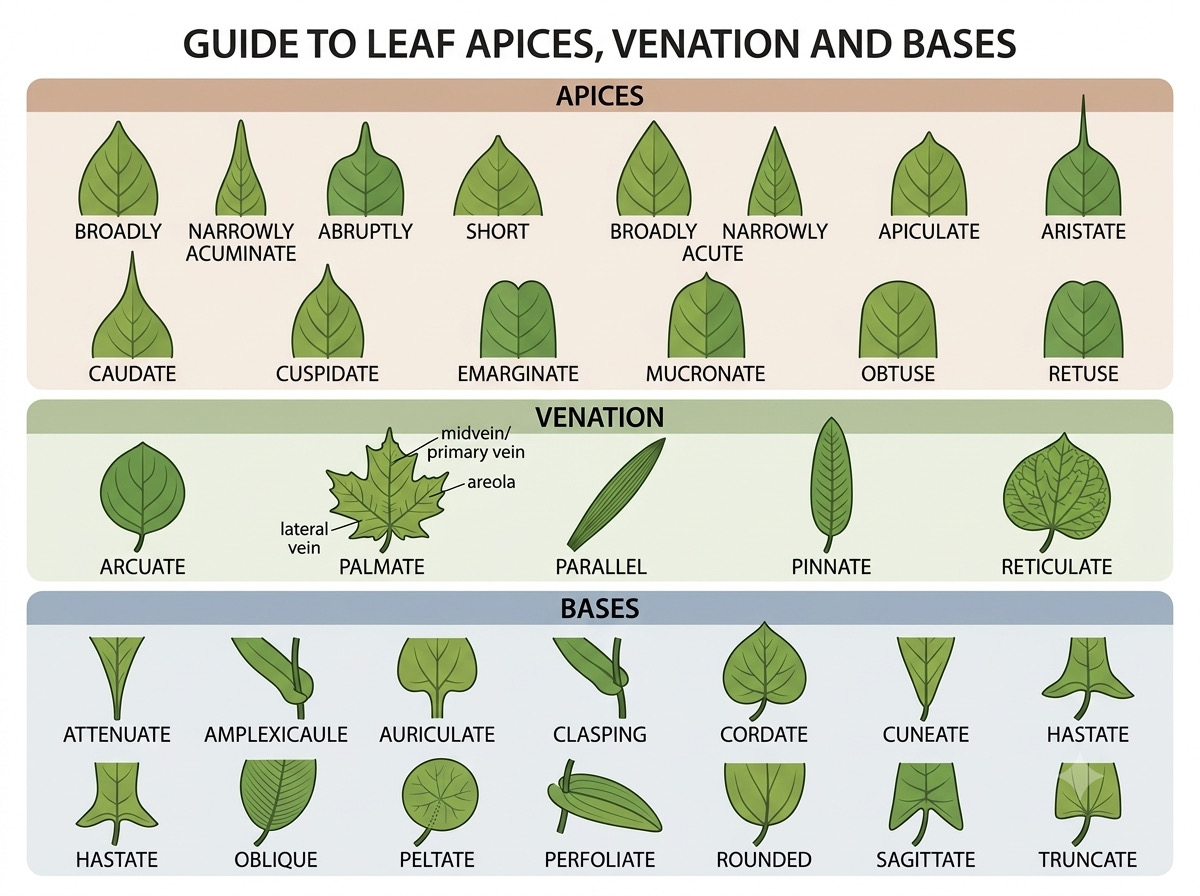
If the shape, color or edge of the leaf is unusual, it can often provide a definite identification. All the names don’t matter, just something to plug into the search engine. Lanceolate and Cordate are two of the most useful shapes.
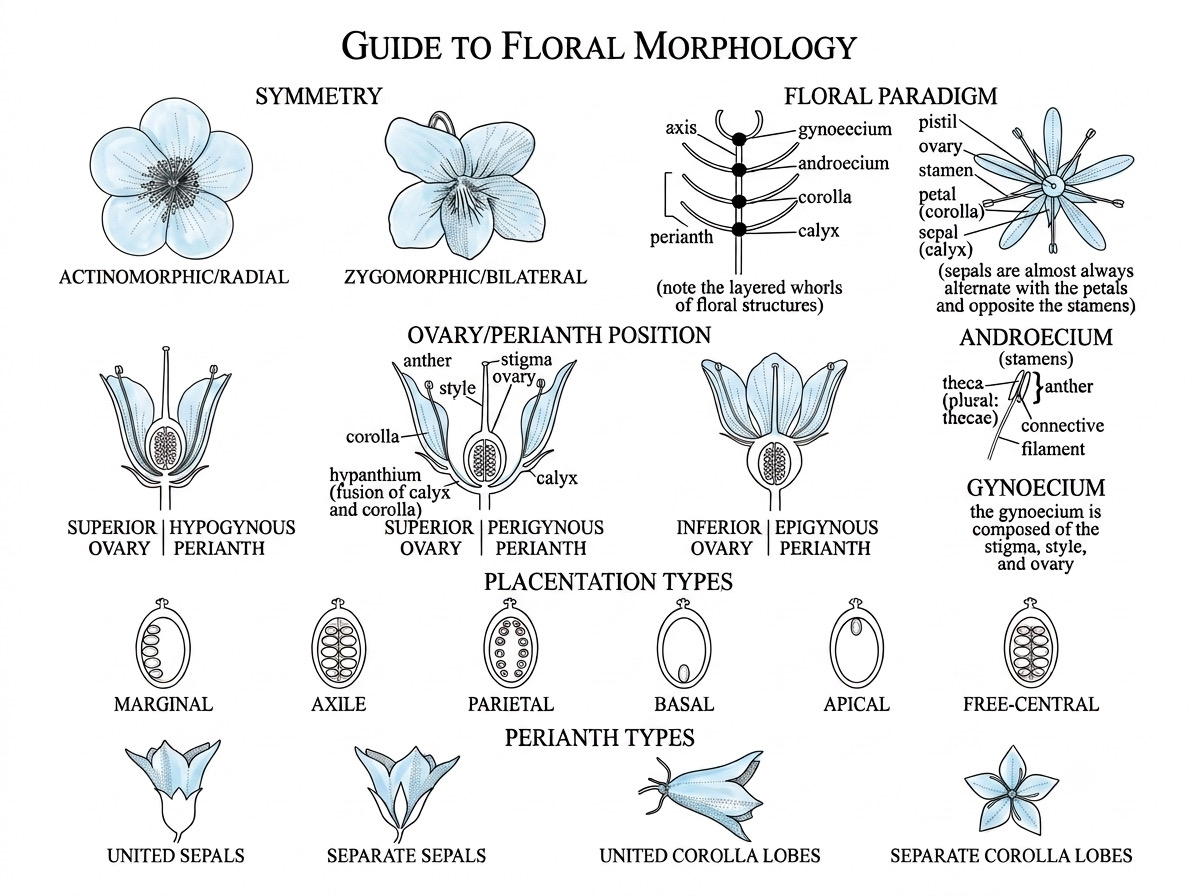


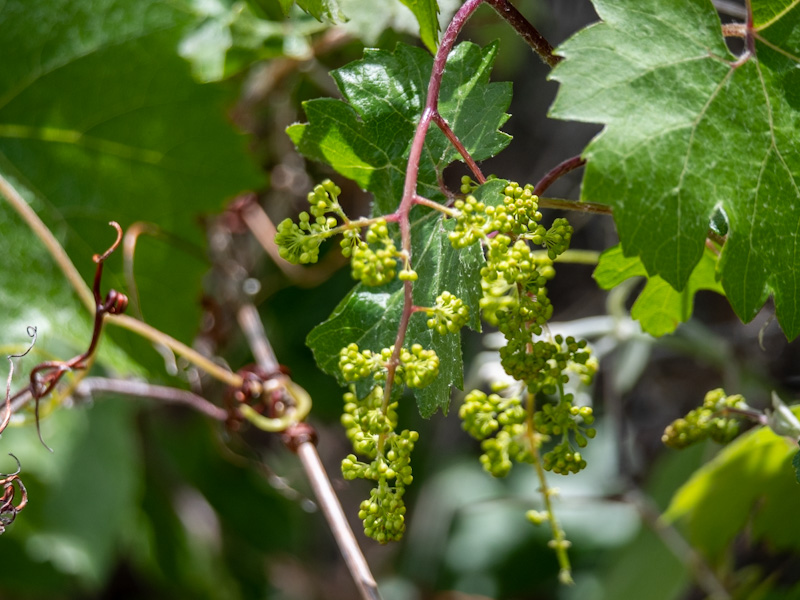
First of all, in the larger world of plants, not all produce flowers. Non-vascular plants don’t. And within the category of vascular plants, non-seed producing plants don’t make flowers either. Within the category of seed producing plants, there are two groups: gymnosperms and angiosperms. Angiosperms produce flowers; gymnosperms don’t. Even though that narrows it down quite a bit, we are still dealing with a very large group of plants. The complexity doesn’t stop there, of course. Memorizing the names of flower structures and recognizing them on each flowering plant would be easy if every flowering plant had all of the same structures and if all structures existed on each flower. However, this is not the case. Depending on the flower you are looking at, some structures may be absent and some may have additional structures that are not common ones. Also, some plants have inflorescences that appear as a single flower but are actually a collection of many smaller flowers (or florets), like plants in the sunflower family (Asteraceae) for example. Additionally, look very carefully in the desert for flowers since many are tiny. To help you, the site has a photo grid of flowers that can be narrowed down by color. On a practical basis, if you count the number of petals and note the color of the flower, you will likely have a small number of options within a given geographical area.
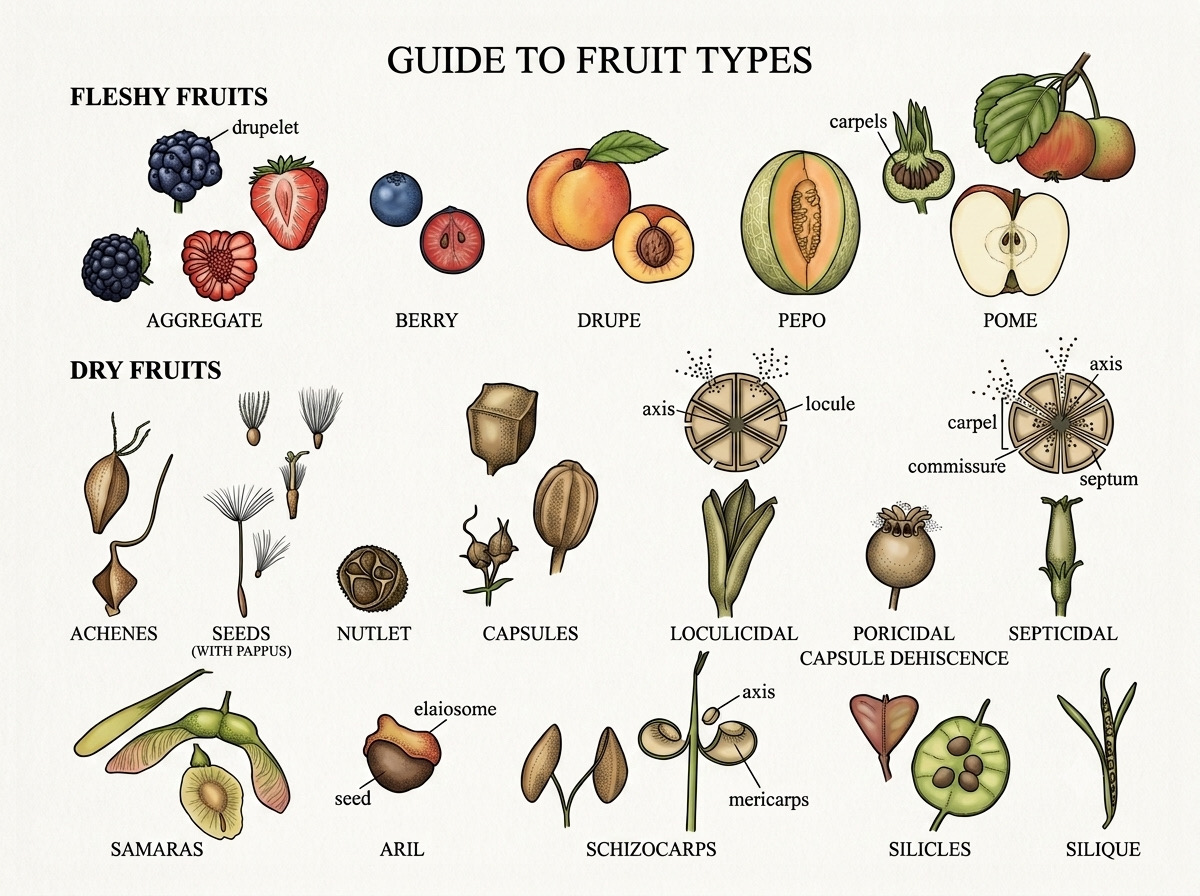
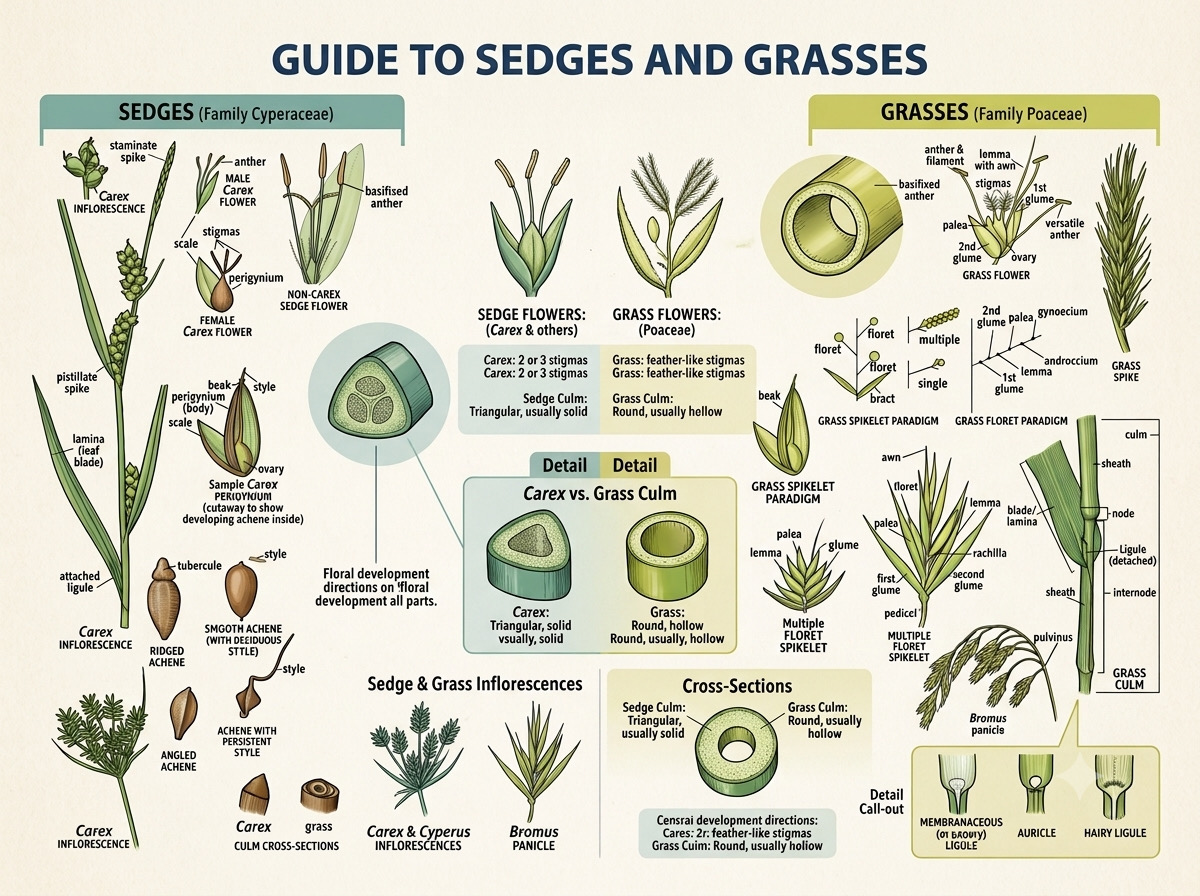
Mojave Desert plant fruits include prickly pear tunas, Mojave yucca pods, and Joshua tree capsules. These native species produce unique, specialized fruits adapted to extreme arid conditions and help with identification when the plant is not flowering. Because there are few animals to spread seeds in the desert, many of the seeds will be dispersed by the wind with achenes or pappus. Desert grass species can often be identified by seed types. Examples include:
Plant anatomy can help classify species, especilly if you know the terms to enter in the search engine.
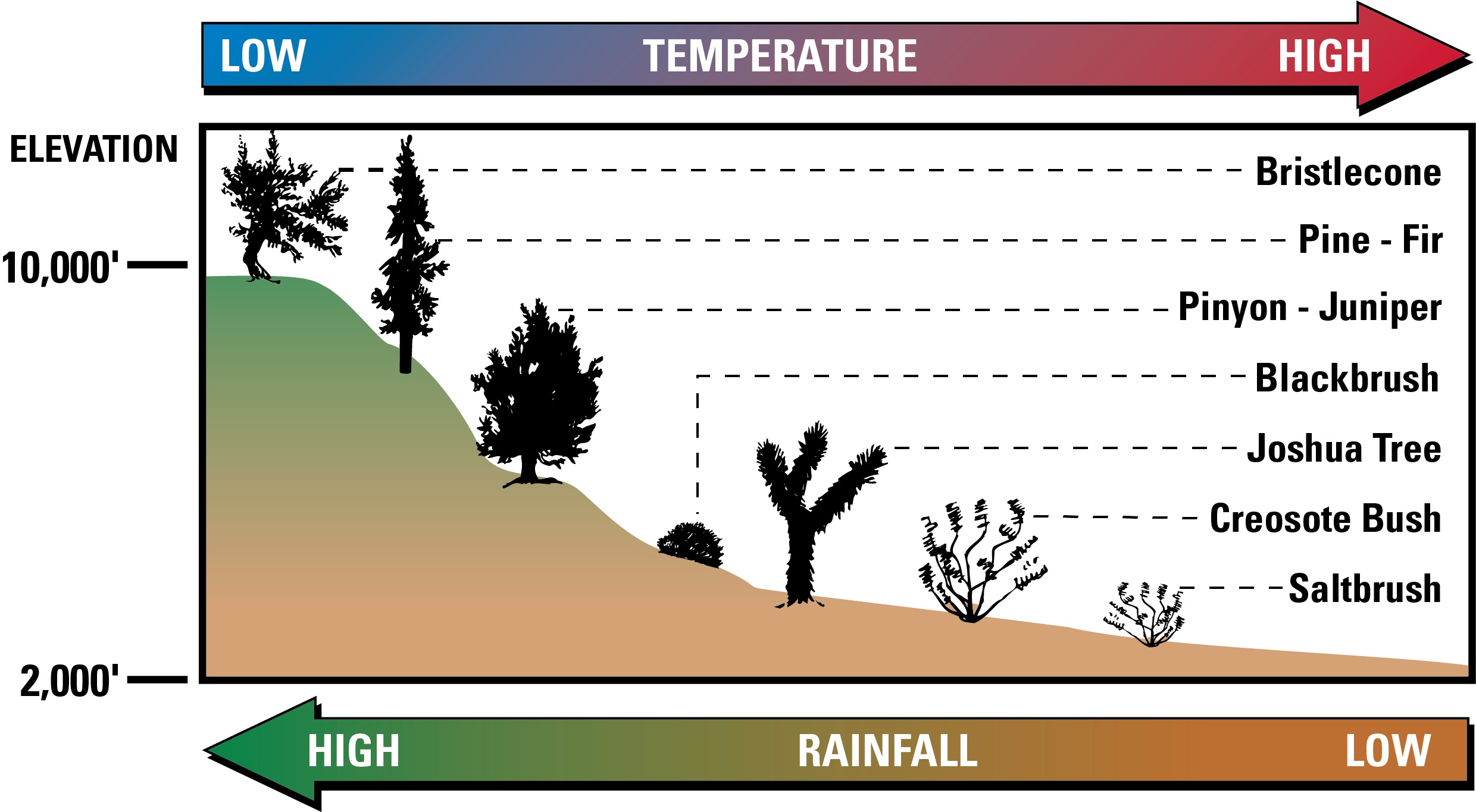
Mojave vegetation biomes
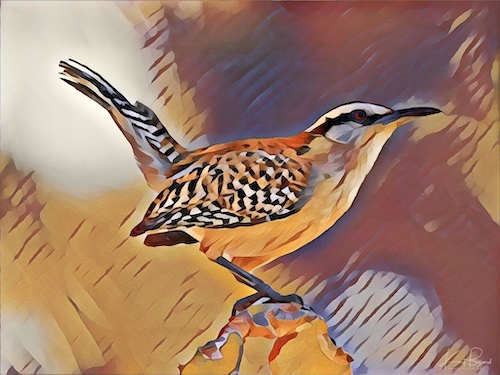
Bird Markings are often colorful and one way to identify species.
I am usually out hiking, birding or traveling but you can reach me at: