Names and Taxonomy
- Common Names: Annual Yellow Sweetclover, Sour Clover, Indian Sweet-clover, Alfalfilla, Small-flowered Melilot
- Synonyms: Melilotus parviflorus, Trifolium indicum
- Family: Fabaceae
- Genus Information: CA: 4, NV: 3, AZ: 3, UT: 3, NM: 3
Annual Yellow Sweetclover
Melilotus indicus, commonly known as annual yellow sweetclover, is a fascinating and highly adaptable member of the pea family that has successfully naturalized across global arid and agricultural landscapes. Highly attractive to honeybees, this plant plays a subtle yet significant role in local ecosystems by actively improving soil health; its symbiotic relationship with specialized root bacteria allows it to fix atmospheric nitrogen, naturally boosting soil fertility in nutrient-poor environments.
Historically originating in the Mediterranean region and Eurasia, Melilotus indicus has a long-standing record of traditional utility. Since ancient times, it has been employed in traditional folk medicine as an emollient, analgesic, astringent, and antispasmodic agent. Additionally, archaeological evidence suggests it has interacted with human agricultural landscapes for millennia, with historical populations valuing it as an aromatic forage crop and green manure, even though modern agriculturalists must manage it carefully to prevent livestock bloating.
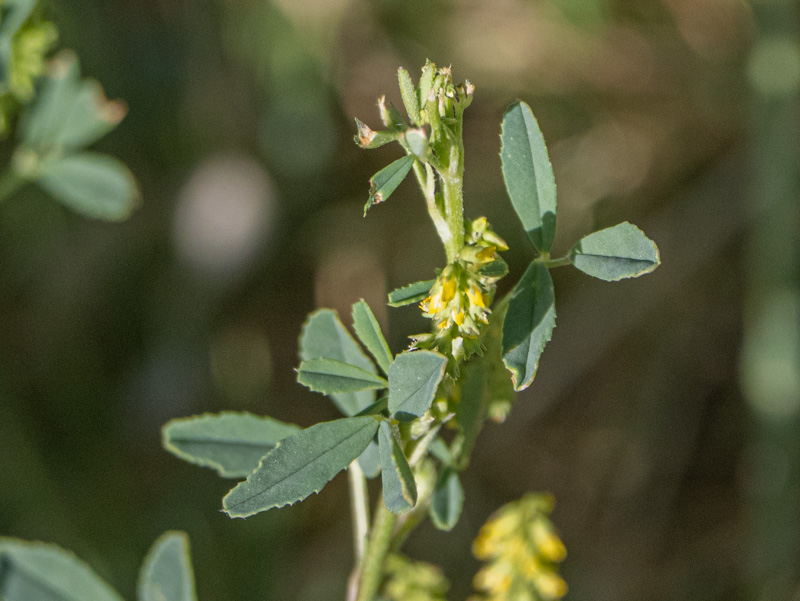
Corn Creek, NV
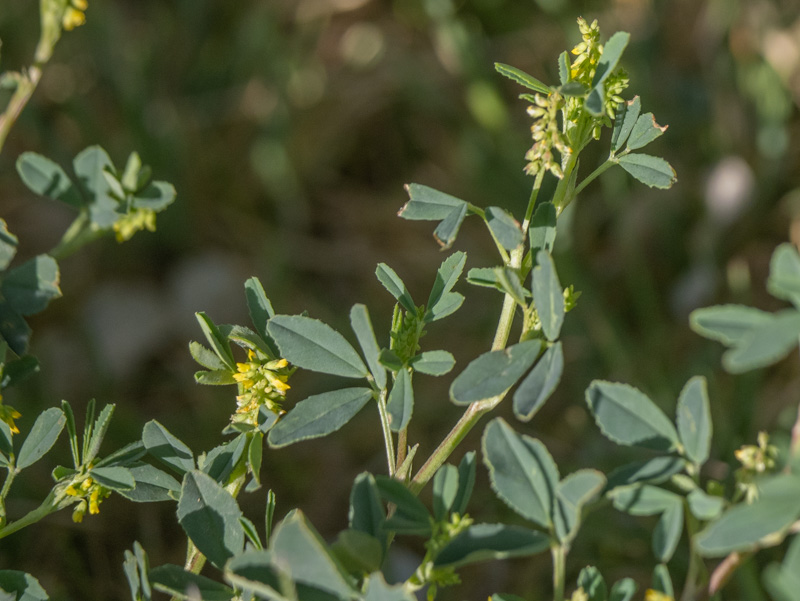
Corn Creek, NV
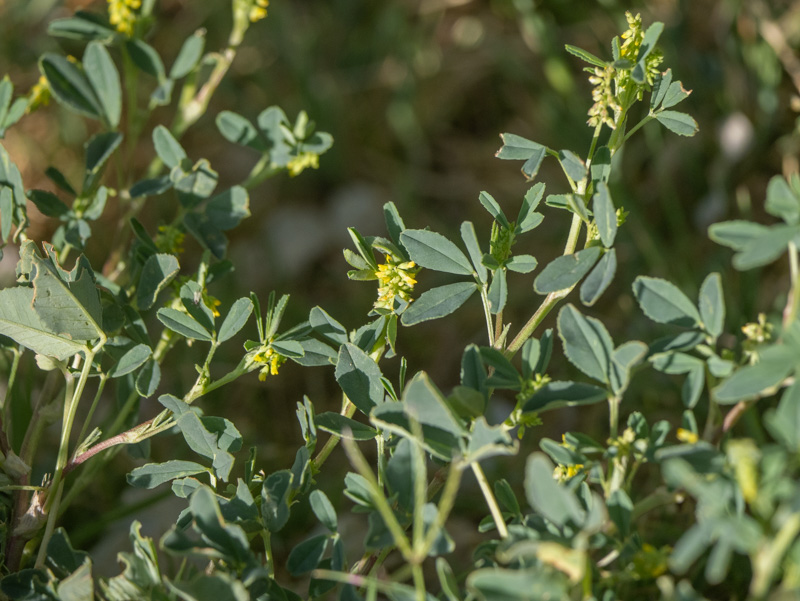
Corn Creek, NV
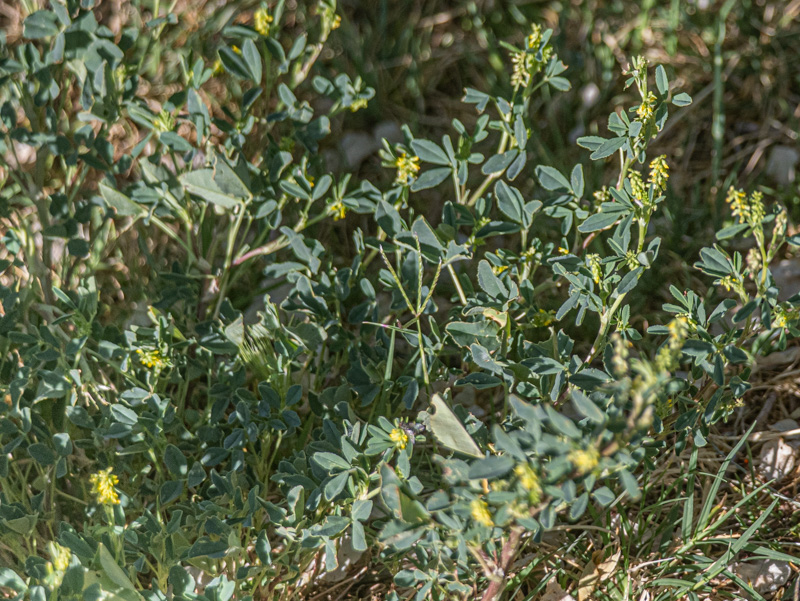
Corn Creek, NV
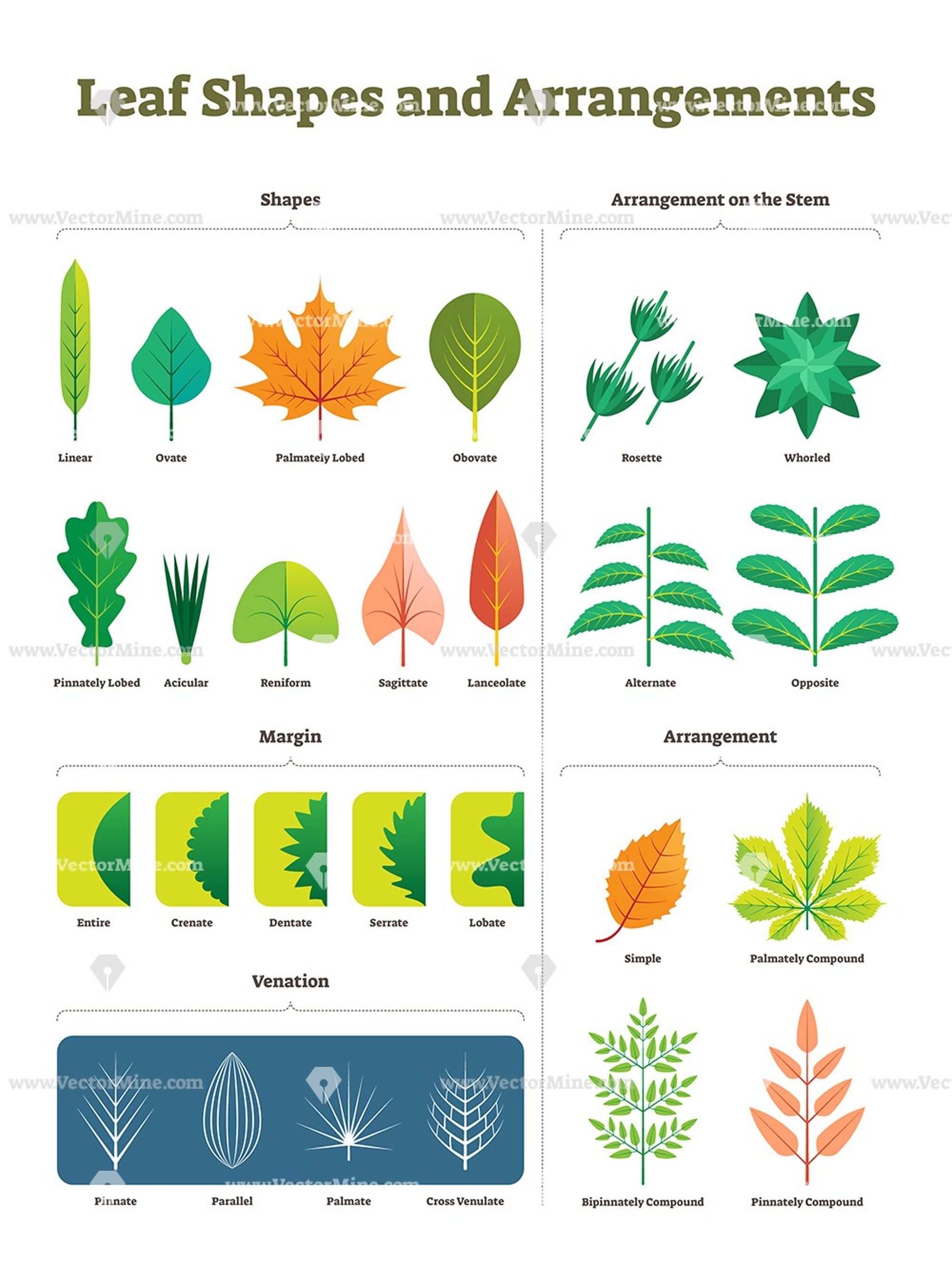
Plant anatomy can help classify species, especilly if you know the terms to enter in the search engine.
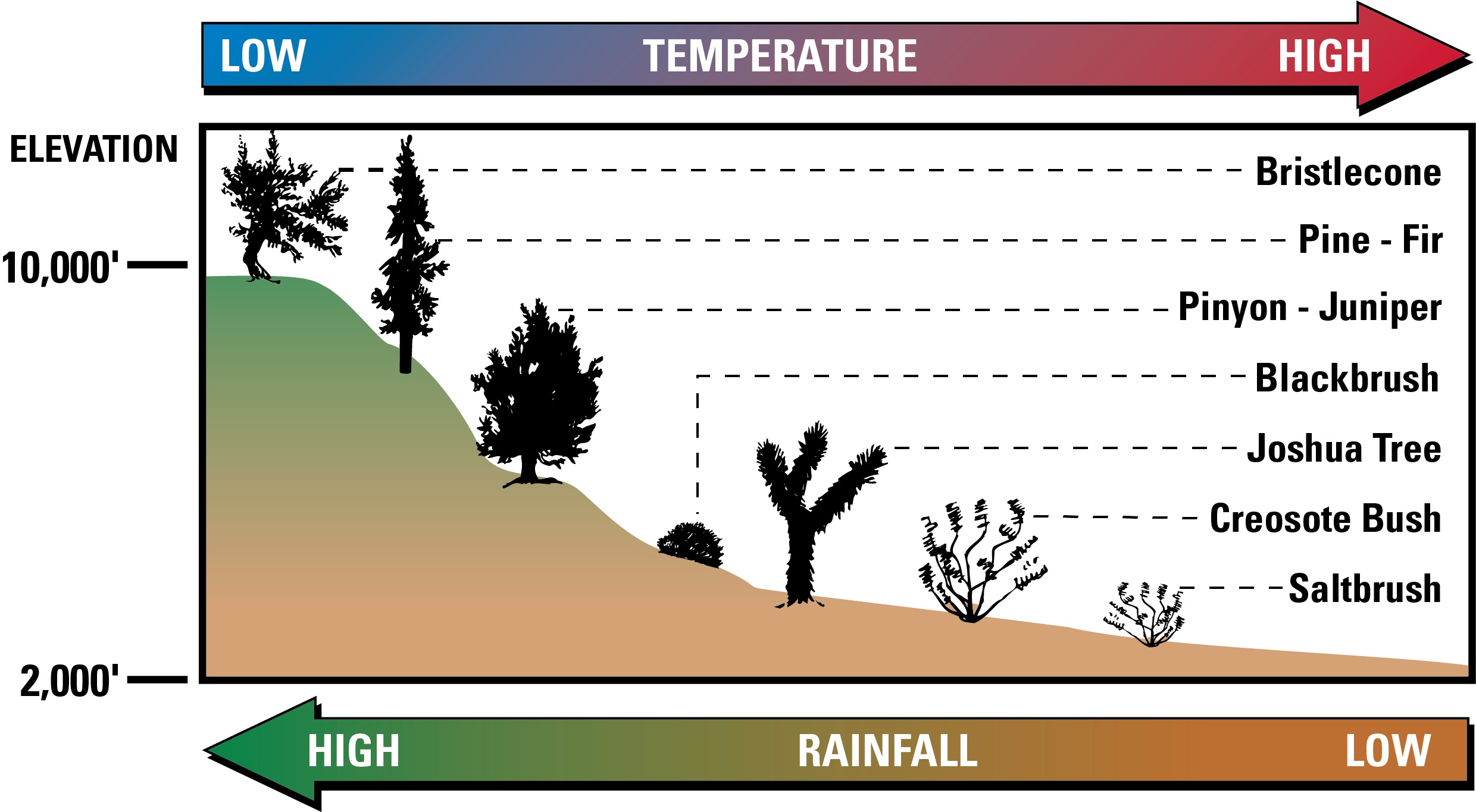
Mojave vegetation biomes
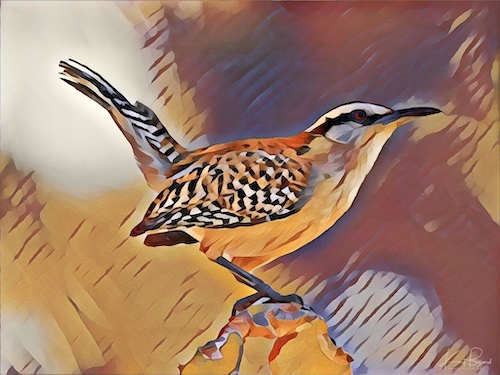
Bird Markings are often colorful and one way to identify species.
I am usually out hiking, birding or traveling but you can reach me at: