Names and Taxonomy
- Common Names: White Sweetclover, White Melilot, Honey Clover, Bokhara Clover
- Synonyms: Melilotus officinalis var. albus
- Family: Fabaceae
- Genus Information: AZ: 3, CA: 4, NV: 3, UT: 3, NM: 3
White Sweetclover
Melilotus albus, commonly known as white sweetclover, stands out in the legume family as a remarkably resilient and fragrant biennial herb. Renowned for its tall, airy racemes of snow-white, pea-like flowers, it fills the air with a powerful, sweet honey-like scent that acts as an irresistible beacon for local pollinators. Beyond its aromatic charm, this species serves as an exceptional nitrogen-fixer, aggressively revitalizing poor or disturbed soils and laying ecological foundations that allow subsequent plant communities to thrive.
Historically introduced as a highly valued agricultural forage crop and a potent honey-producing plant, Melilotus albus also holds deep roots in international folk medicine and ethnobotanical traditions. Indigenous and rural populations, particularly across Europe and parts of Asia, have long utilized its leaves and flowering tops in traditional herbal preparations to treat wounds, inflammatory conditions, and swelling. Due to its high concentrations of aromatic coumarins and beneficial phenolic compounds, infusions and poultices were traditionally applied as emollients to soothe skin ulcers, relieve abdominal discomfort, and serve as an anthelmintic remedy.
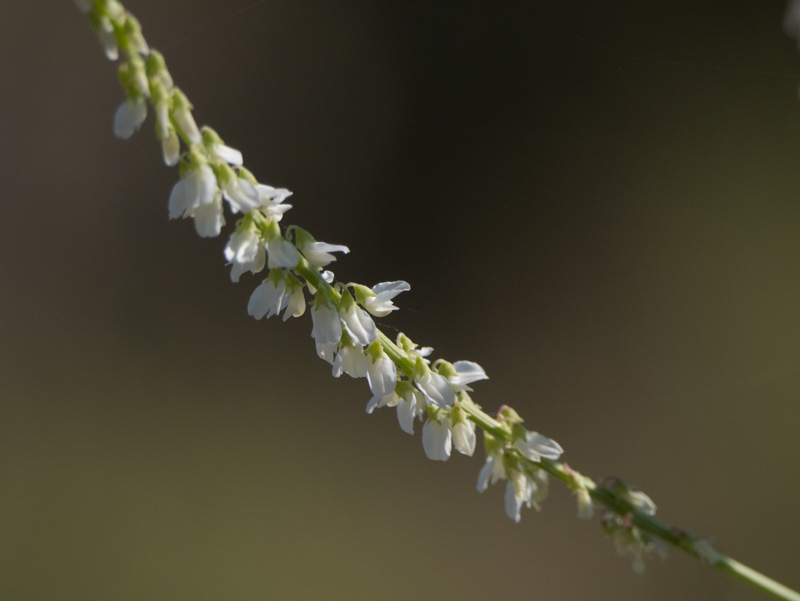
Ash Meadows, CA
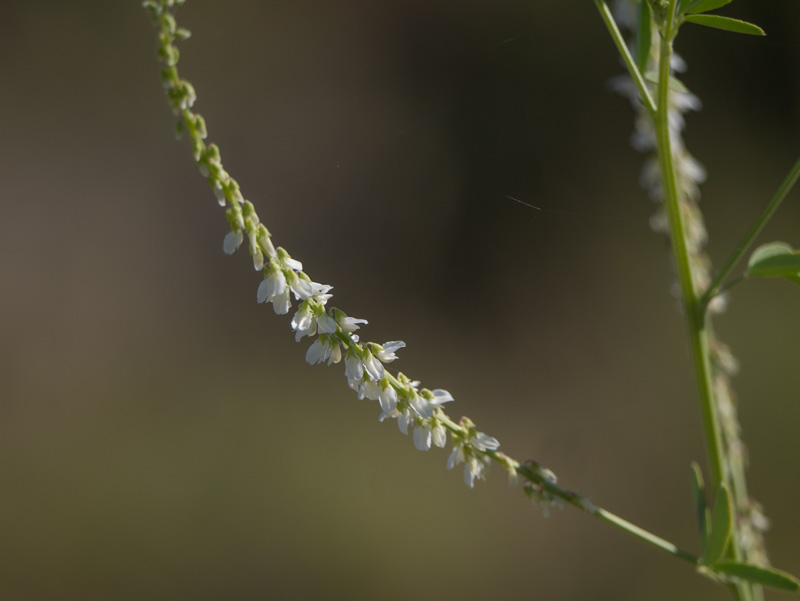
Ash Meadows, CA
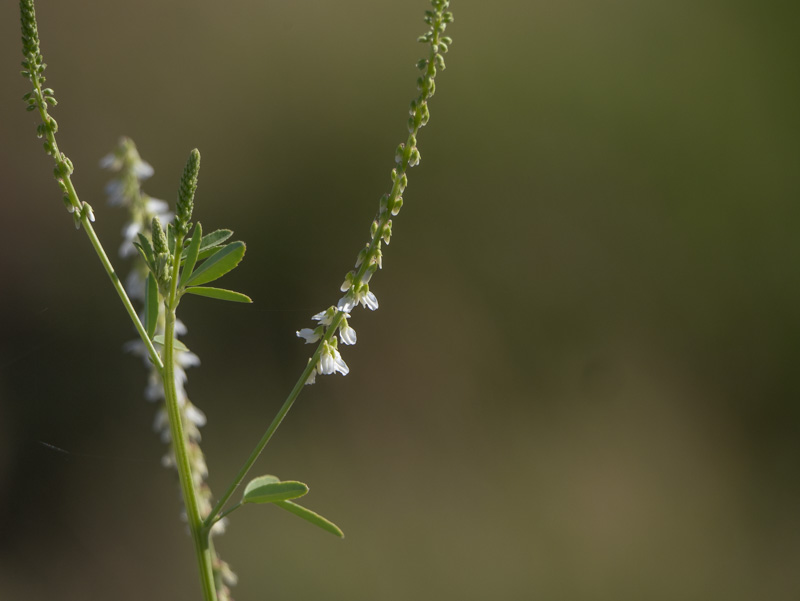
Ash Meadows, CA
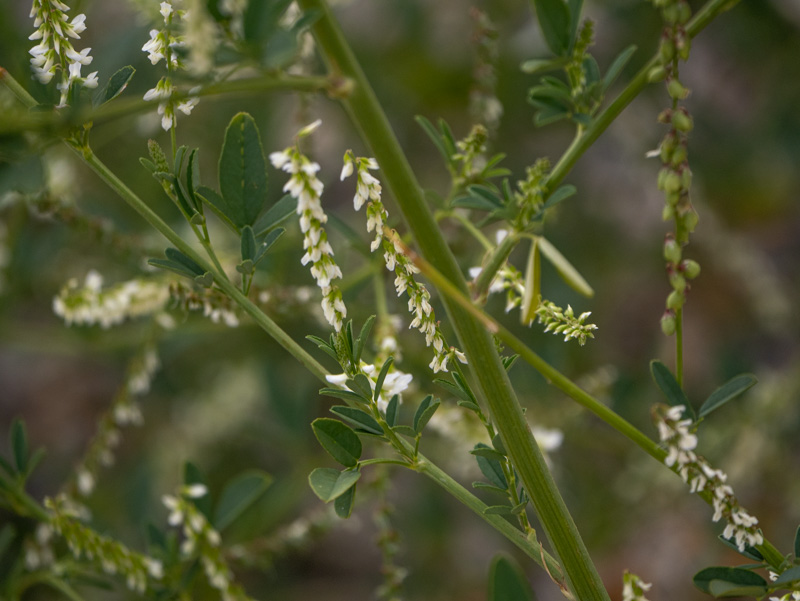
Ash Meadows, CA
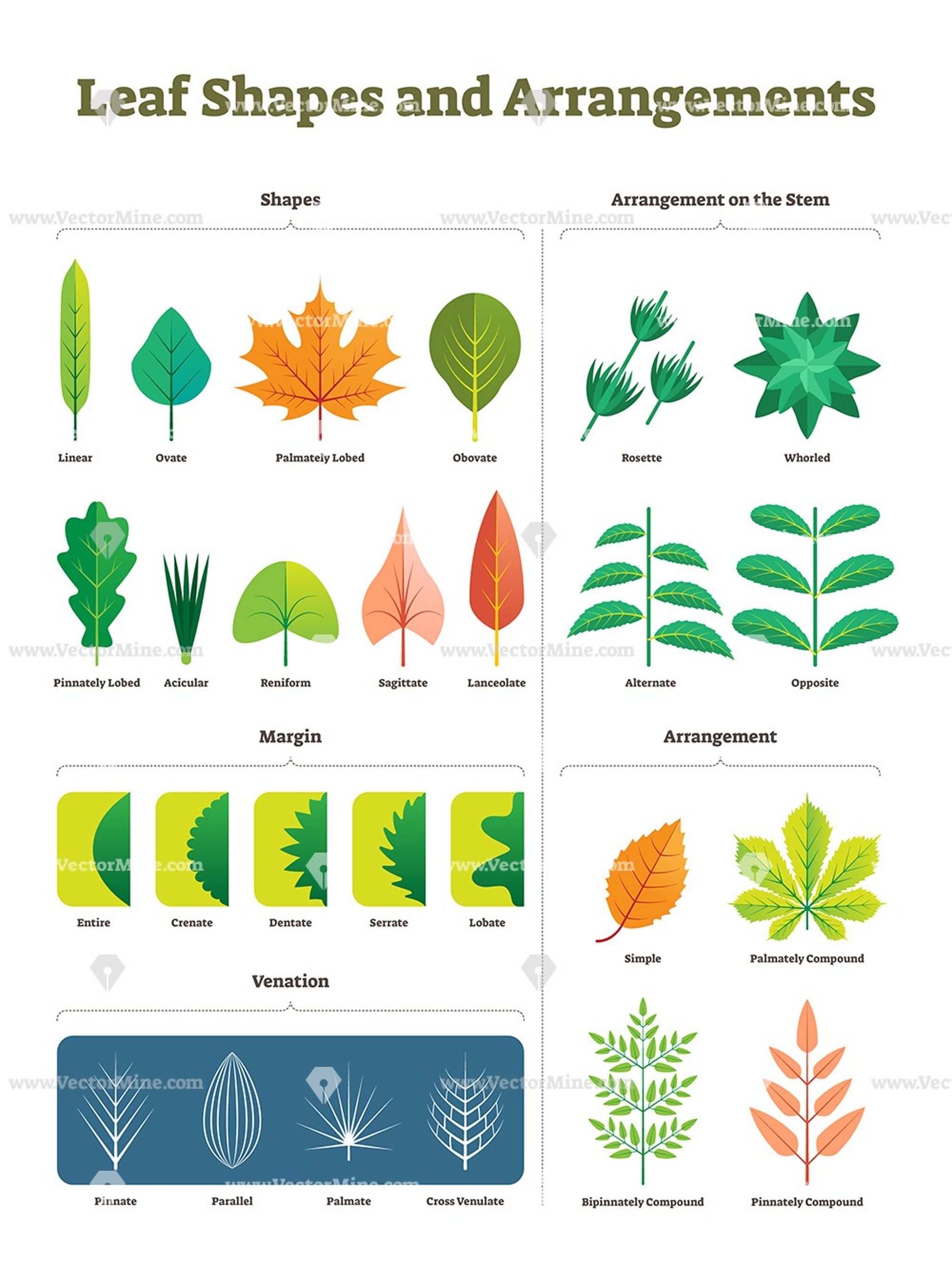
Plant anatomy can help classify species, especilly if you know the terms to enter in the search engine.
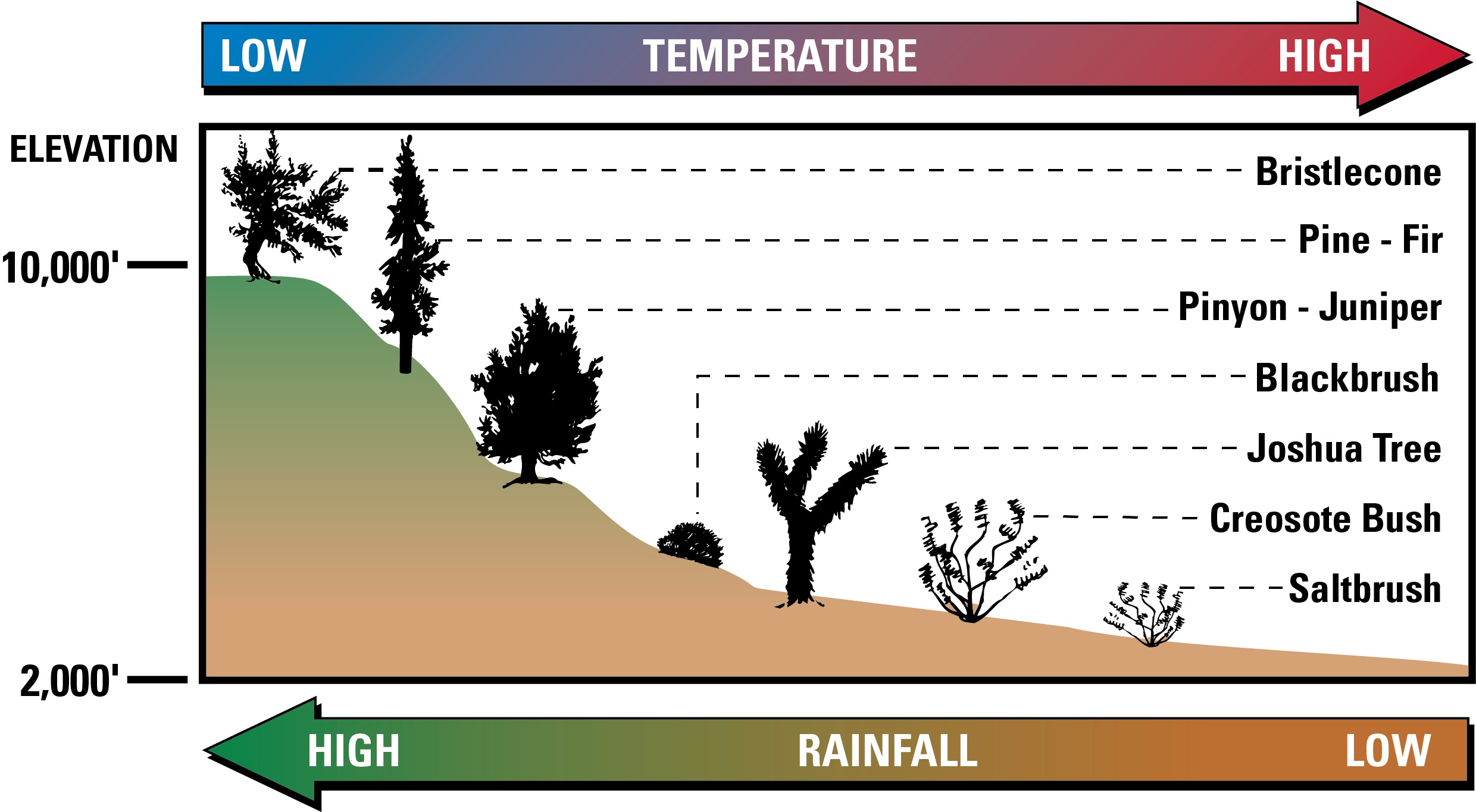
Mojave vegetation biomes

Bird Markings are often colorful and one way to identify species.
I am usually out hiking, birding or traveling but you can reach me at: