Names and Taxonomy
- Common Names: “Five-horn Smotherweed, Five-hook Bassia, Thorn Orache”
- Synonyms: “Salsola hyssopifolia, Kochia hyssopifolia”
- Family: Amaranthaceae
- Genus Information: AZ: 3, CA: 3, NV: 3, UT: 3, NM: 3
Five-horn Smotherweed
An opportunistic survivor of the Amaranth family, Bassia hyssopifolia stands out for its remarkable tolerance to highly saline and alkaline soils where few other plants can take hold. Famously known for its dense, woolly-haired flower spikes and distinctive five-hooked mature seed heads, this tenacious annual efficiently reclaims disturbed arid landscapes, serving as both an aggressive colonizer and a resilient testament to desert adaptation.
While native to Eurasia and largely introduced as an exotic weed across the American West, species within this genus have historically been utilized in pastoral contexts. Indigenous communities and later settlers recognized its utility as an emergency drought-resistant forage for livestock, particularly sheep, despite its potential toxicity from saponins and oxalates if overgrazed. Some closely related species in the Amaranthaceae family were traditionally utilized by Great Basin and Southwestern tribes for their nutritious greens and high-protein seeds during times of scarcity.
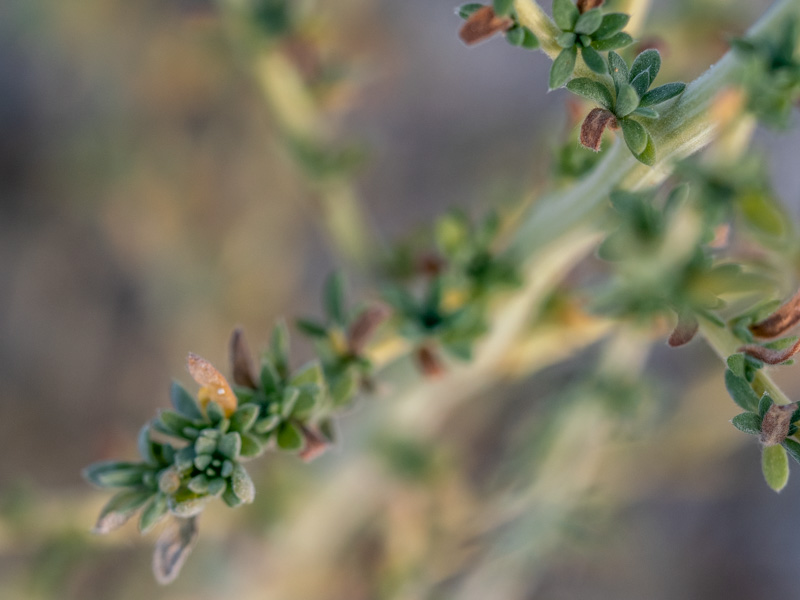
A hardy, woolly annual identifiable by its distinctively hooked five-horned fruit spikes thriving in alkaline soils. Ash Meadows, NV
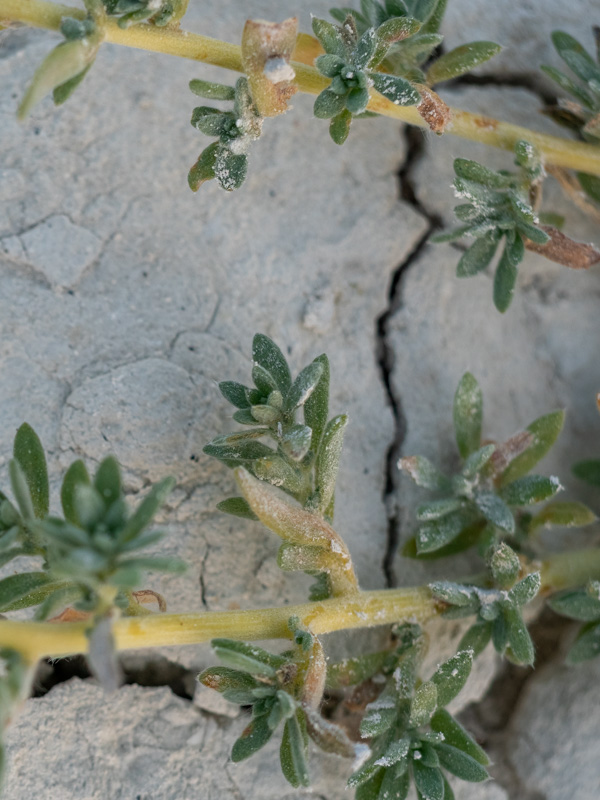
Ash Meadows, NV
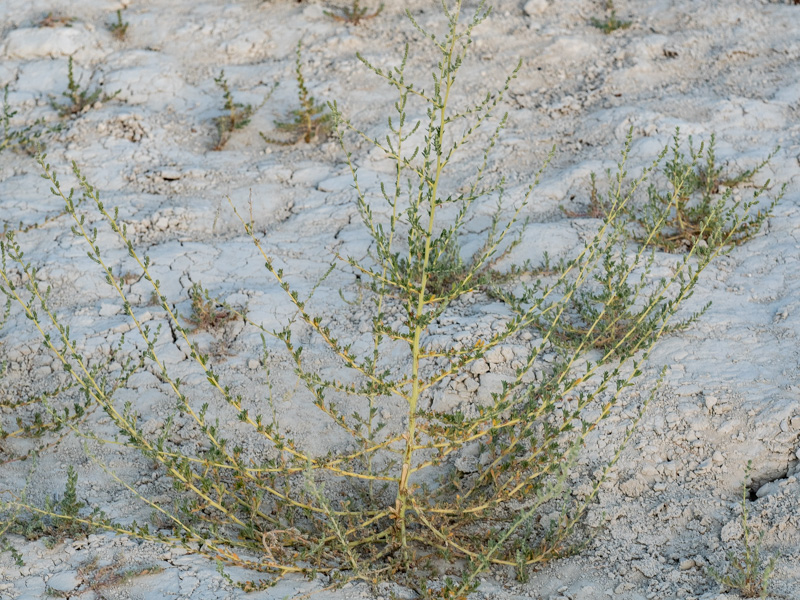
Ash Meadows, NV
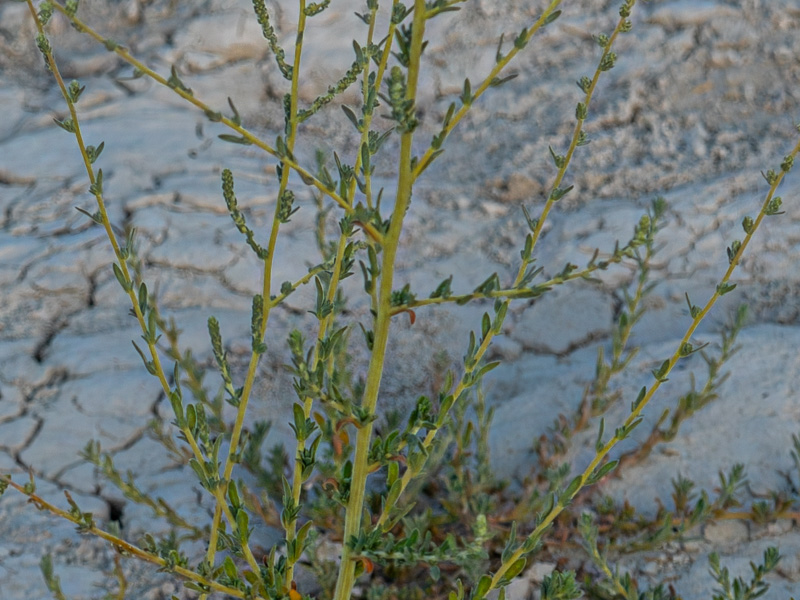
Ash Meadows, NV
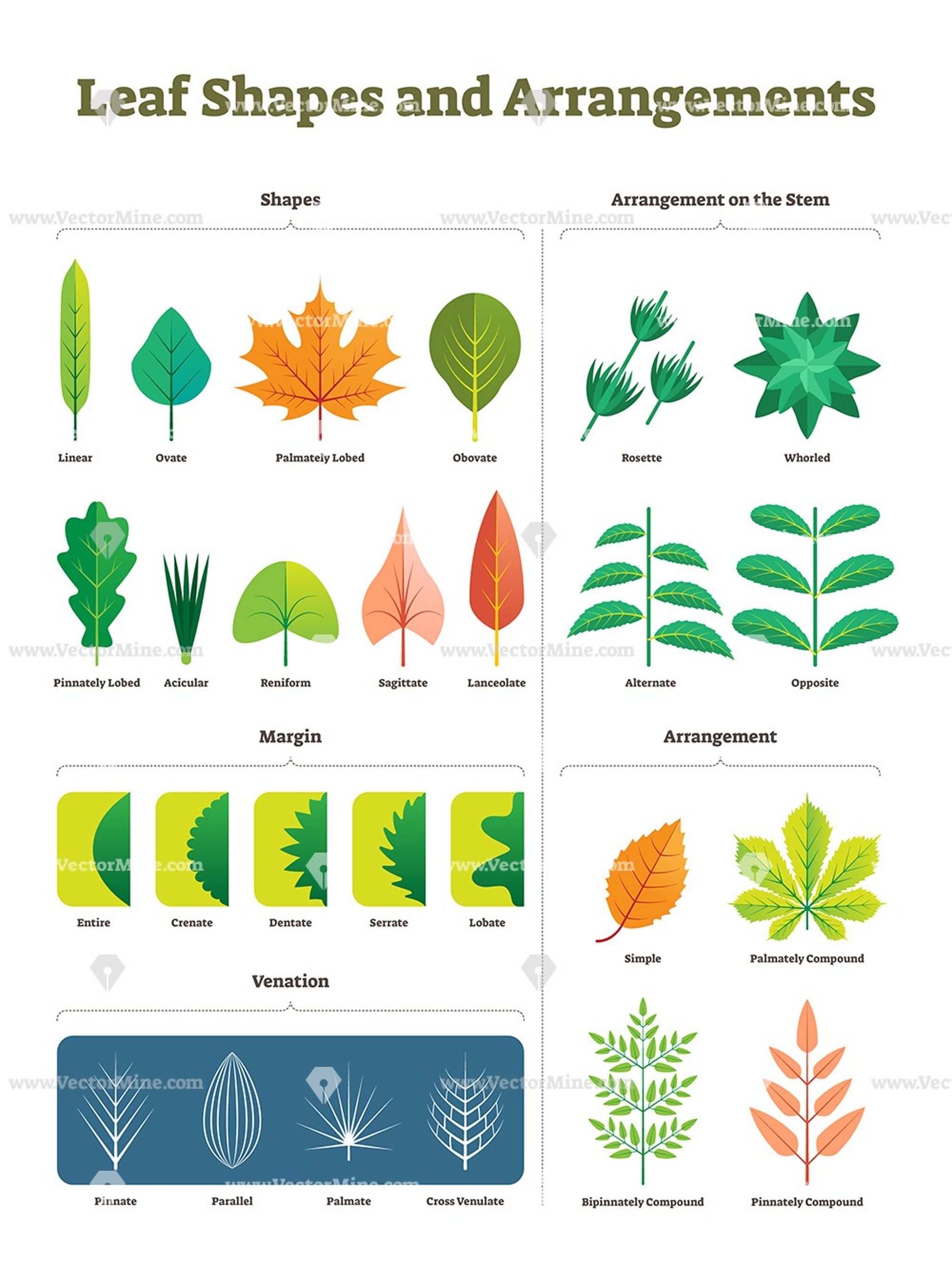
Plant anatomy can help classify species, especilly if you know the terms to enter in the search engine.
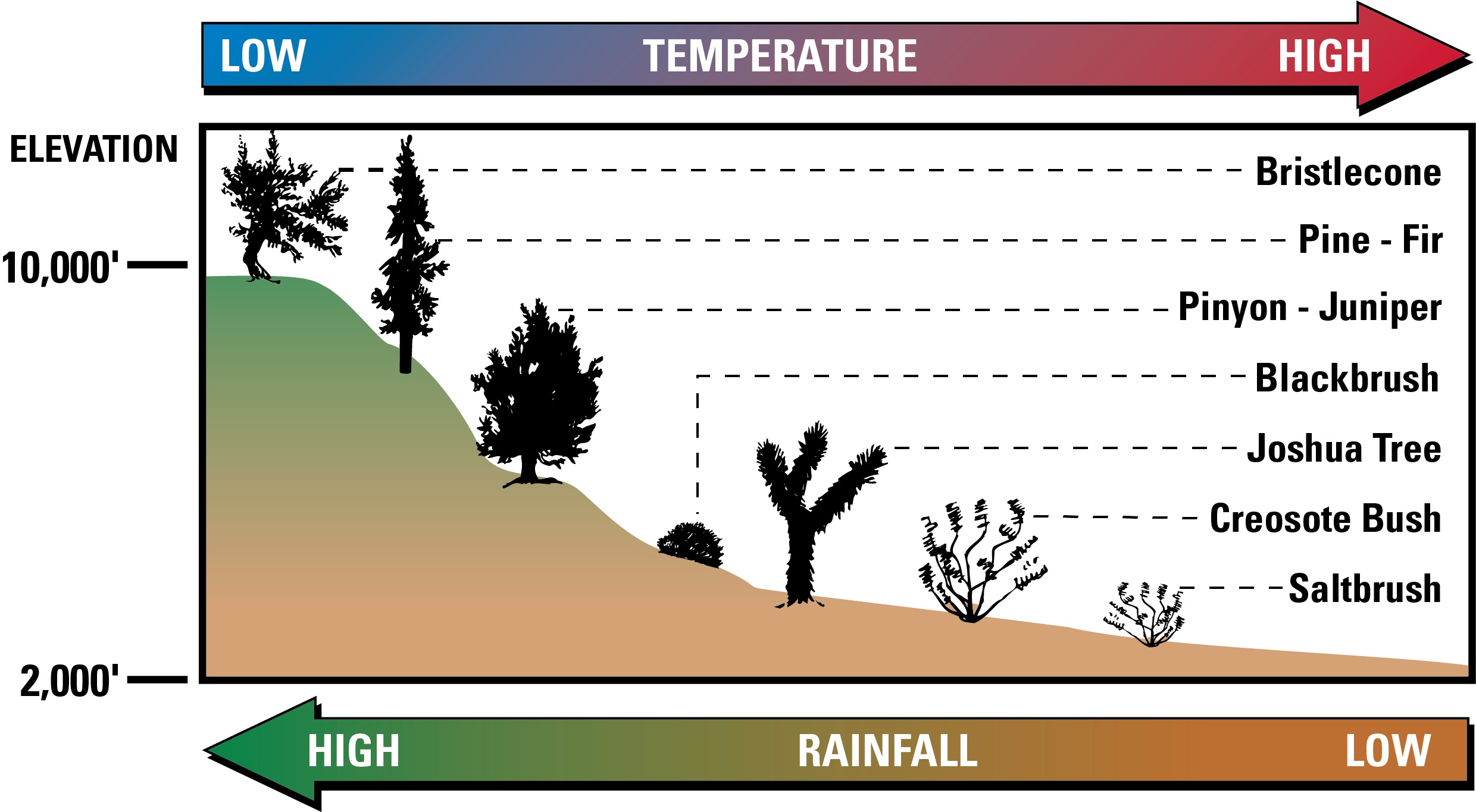
Mojave vegetation biomes
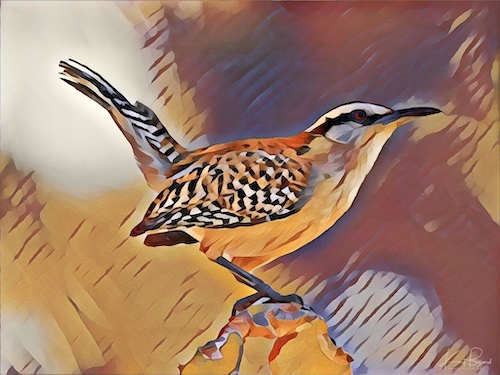
Bird Markings are often colorful and one way to identify species.
I am usually out hiking, birding or traveling but you can reach me at: