Names and Taxonomy
- Common Names: Spiny Saltbush, Spinescale Saltbush, Mojave Saltbush
- Synonyms: Atriplex spinifera J.F. Macbr.
- Family: Chenopodiaceae
- Genus Information: AZ: 25, CA: 51, NV: 27, NM: 21, UT: 35
Spiny Saltbush
An enduring symbol of resilience in California's arid interior, Atriplex spinifera distinguishes itself with a formidable labyrinth of rigid, spine-tipped branches. This intricately tangled, pale-gray shrub thrives in harsh, heavily saline alkali sinks, providing vital structural shelter for endangered desert wildlife while beautifully showcasing the survival extremes of desert flora.
Indigenous groups across the western deserts traditionally utilized various species of the saltbush genus for extensive practical and survival needs. The seed-heads were routinely harvested, parched, and ground into a nutritious meal or flour for baking. Beyond nutrition, the alkaline-rich leaves were crushed to create natural, soothing poultices for insect stings and skin irritations, while the dense, durable wood served as an essential fuel source for fires.
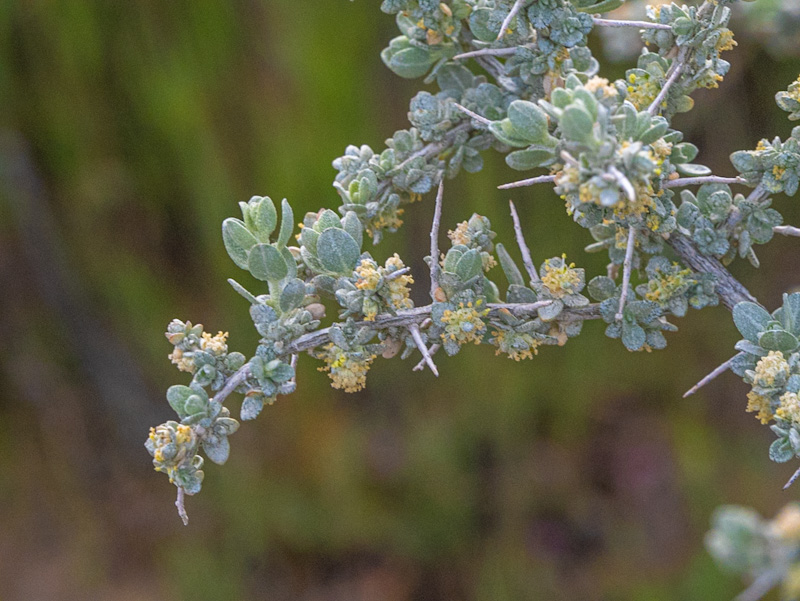
A look at the rigid, defensive spinescale architecture of the Spiny Saltbush adapted to alkaline lake plains.
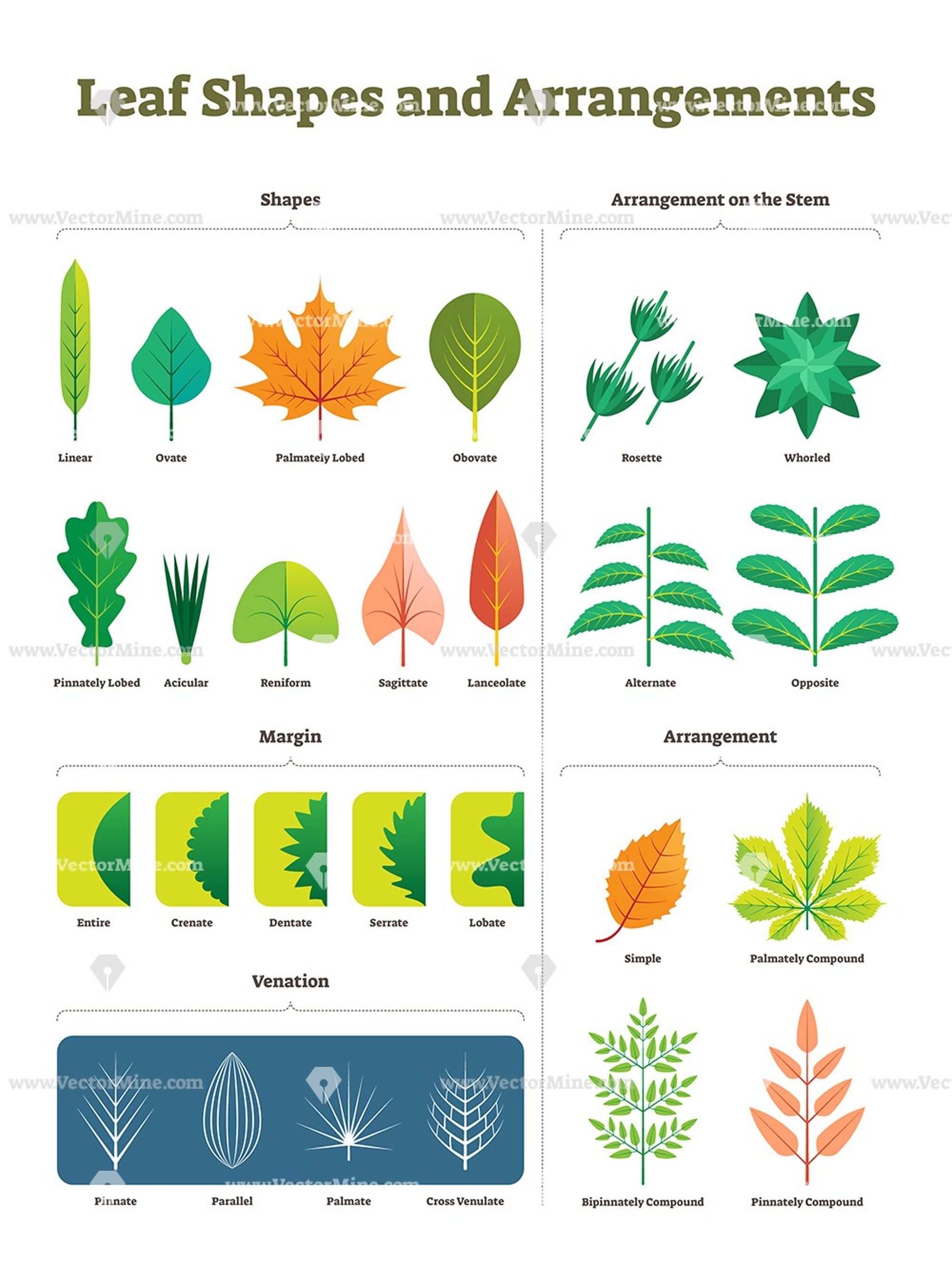
Plant anatomy can help classify species, especilly if you know the terms to enter in the search engine.
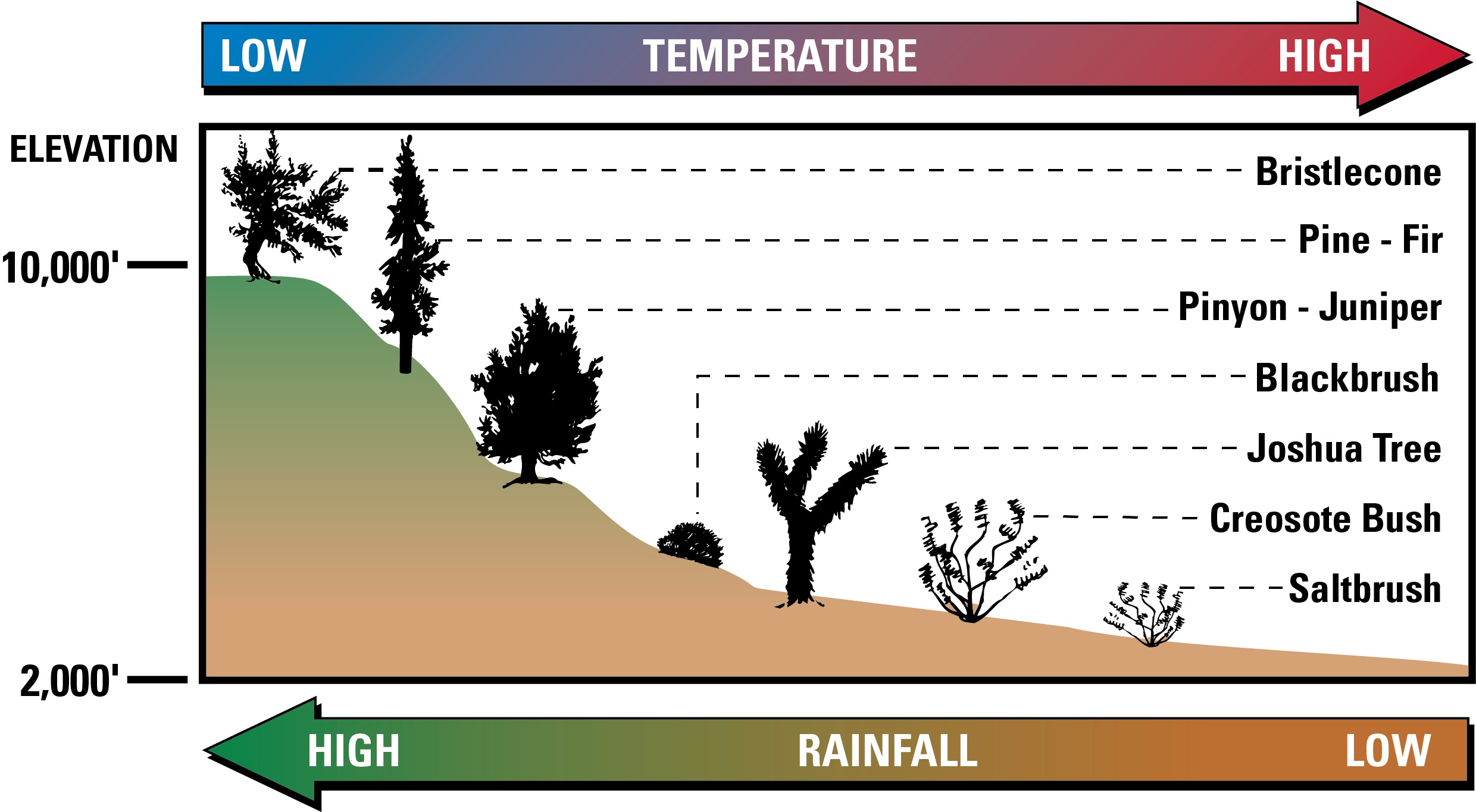
Mojave vegetation biomes
Bird Markings are often colorful and one way to identify species.
I am usually out hiking, birding or traveling but you can reach me at: