Names and Taxonomy
- Common Names: “Desert Milkweed, California Desert Milkweed”
- Synonyms: “Asclepias erosa var. erosa”
- Family: Apocynaceae
- Genus Information: AZ: 29, CA: 18, NV: 13, UT: 17
Desert Milkweed
An imposing and resilient desert native, Asclepias erosa stands out with its stout, architectural stems and striking clusters of cream-to-yellowish flowers. Beyond its dramatic structural presence in arid landscapes, this robust perennial serves as a vital ecological lifeline, acting as a critical host plant for monarch butterfly caterpillars and attracting a diverse array of regional pollinators with its copious nectar.
Indigenous peoples of the Southwest borderlands utilized the plant extensively; many cultures, including the Navajo (Diné), Zuni, and Southern Paiute, traditionally collected the white latex sap from buds and stems, hardening it over fires or via other methods to use as a natural chewing gum. Additionally, the tough, fibrous stems of the milkweed were processed into high-quality cordage and string, which the Diné and Zuni used to weave clothing components or secure ceremonial feathers.
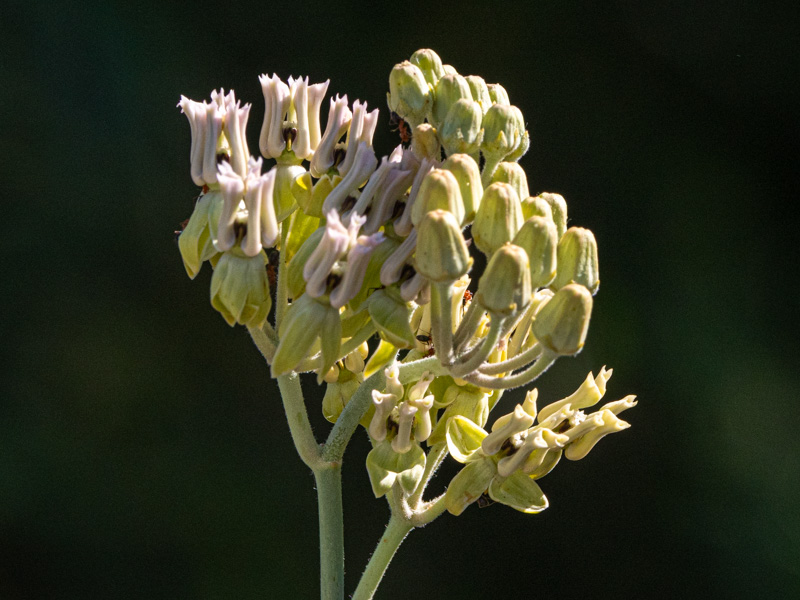
Henderson Bird Viewing Preserve
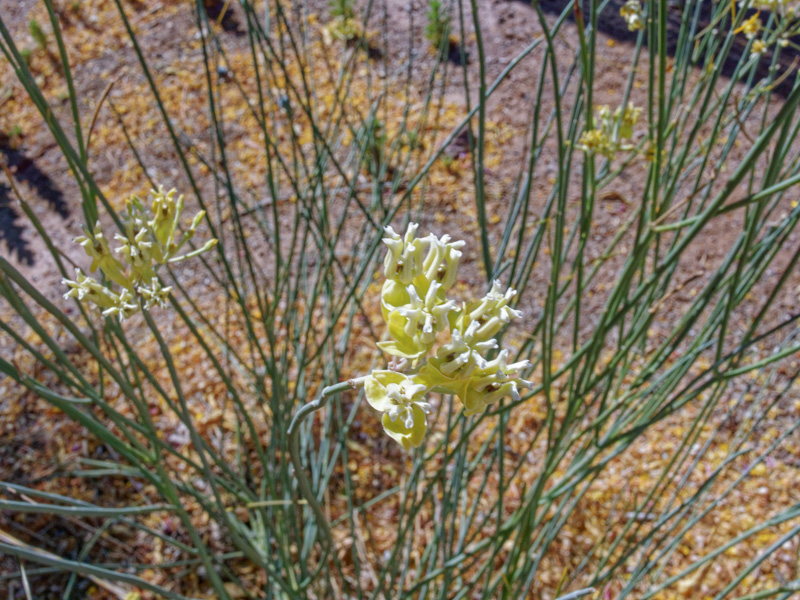
Henderson Bird Viewing Preserve
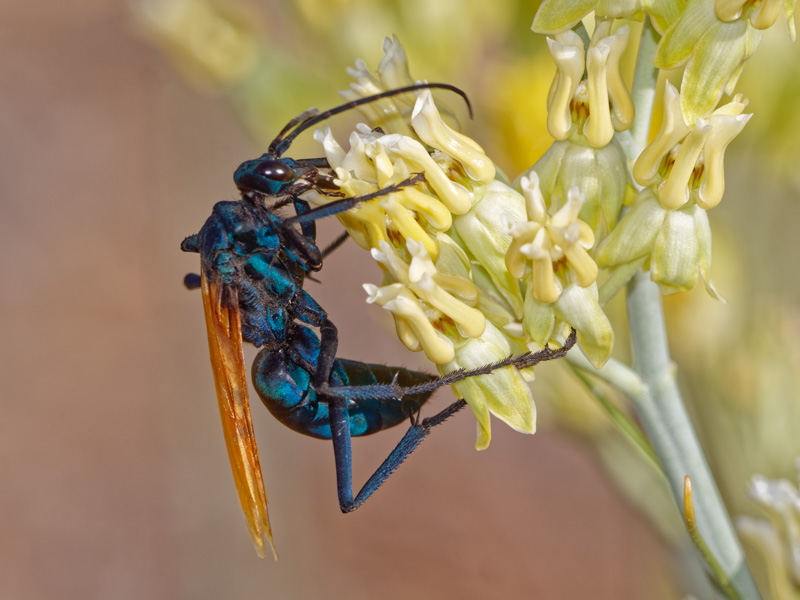
Henderson Bird Viewing Preserve
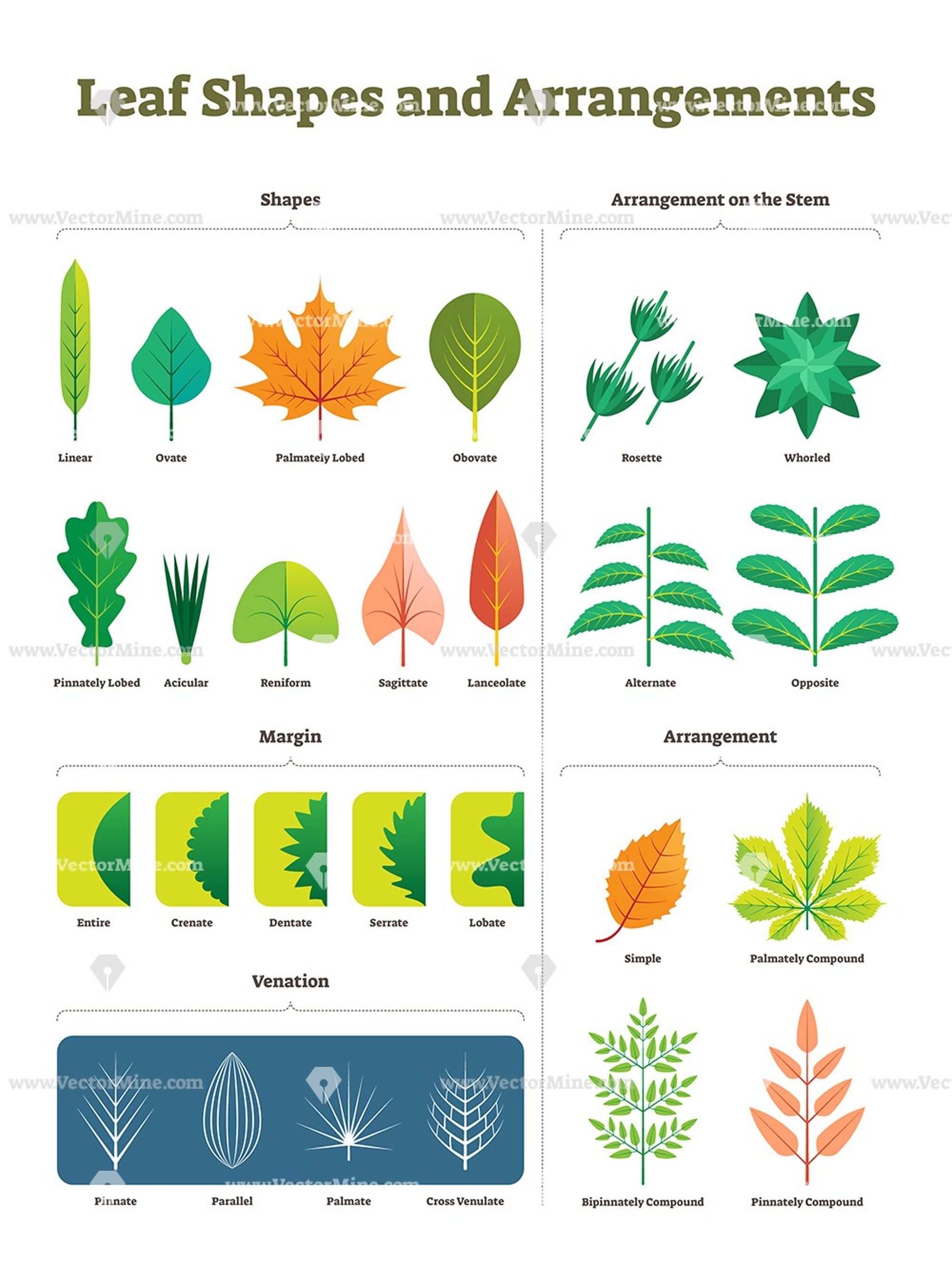
Plant anatomy can help classify species, especilly if you know the terms to enter in the search engine.
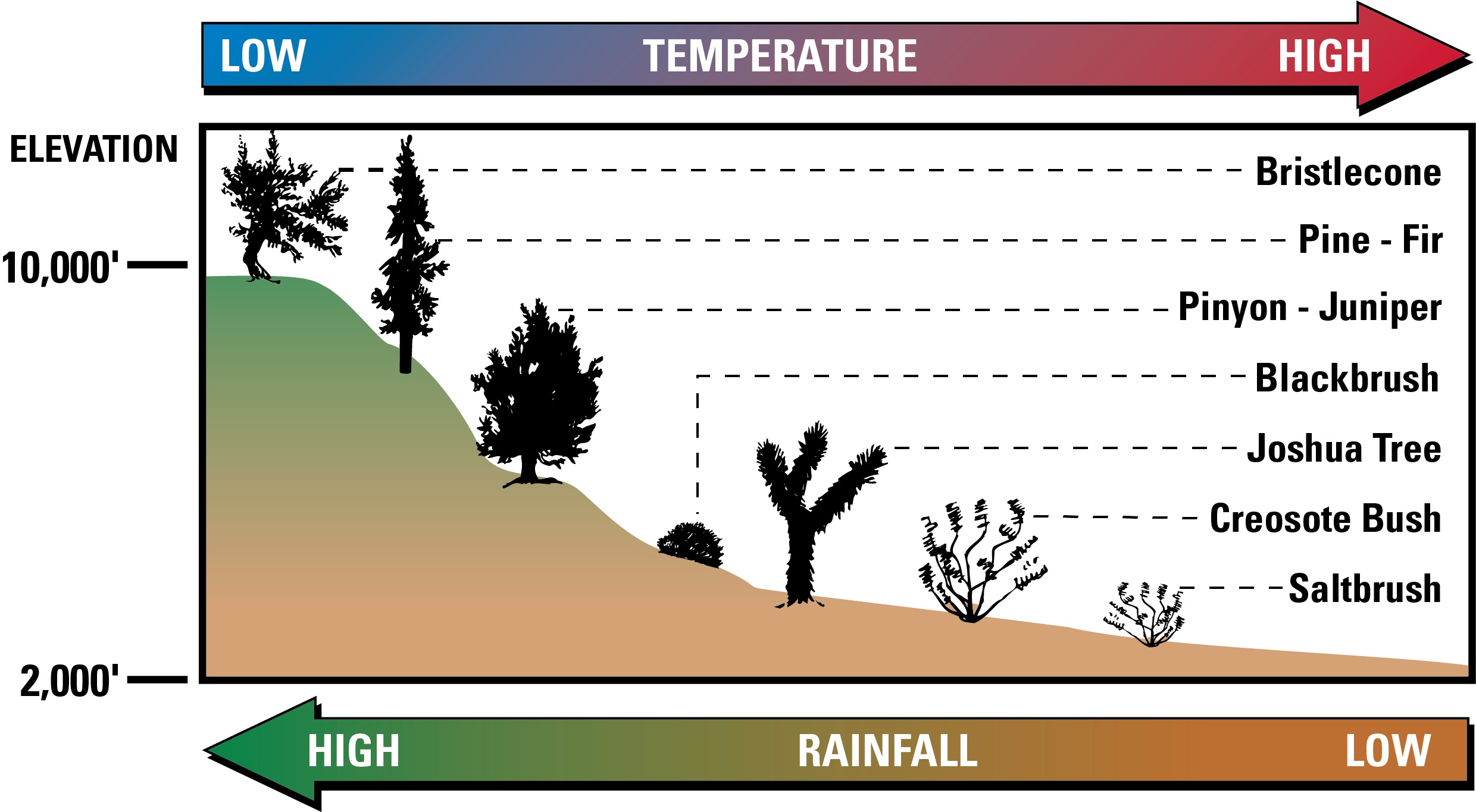
Mojave vegetation biomes

Bird Markings are often colorful and one way to identify species.
I am usually out hiking, birding or traveling but you can reach me at: