Names and Taxonomy
- Common Names: Miniature Lupine, Bicolor Lupine, Field Lupine
- Synonyms: Lupinus bicolor ssp. bicolor, Lupinus bicolor var. bicolor
- Family: Fabaceae
- Genus Information: CA: 84, NV: 42, AZ: 21, NM: 19, UT: 26, CO: 18
Miniature Lupine
Lupinus bicolor, known as the miniature lupine, is a resilient wildflower celebrated for its striking, two-toned blue and white pea-like blossoms that seen in western annual grasslands. Beyond its ornamental charm, this species plays a vital ecological role as a pioneer plant, deploying specialized root systems to fix atmospheric nitrogen and enrich depleted soils following natural disturbances.
While wild lupines inherently carry toxicity due to specialized alkaloids, various indigenous peoples of the Pacific Coast traditionally recognized the ecological indicators of the plant. Historically, related species were selectively managed, and certain native communities boiled or thoroughly roasted the roots of specific lupines as a survival food source during severe seasonal scarcities.
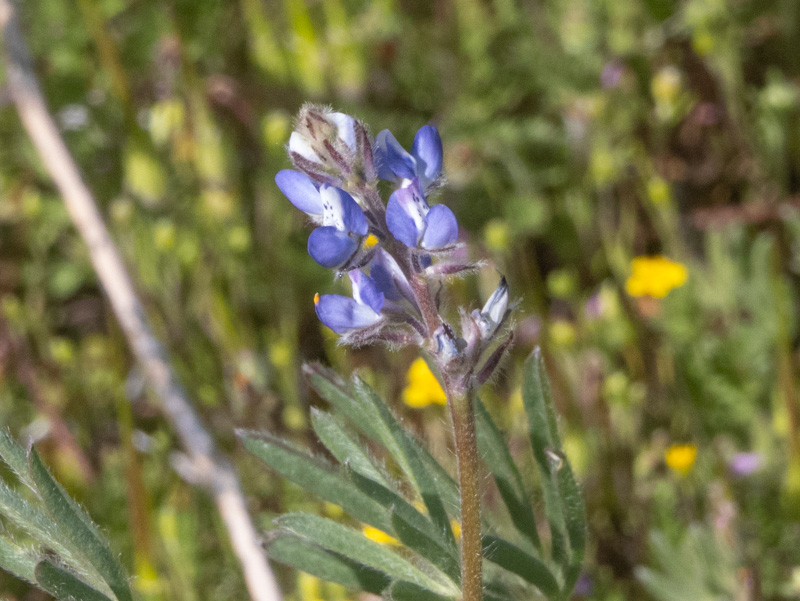
Antelope Valley, CA
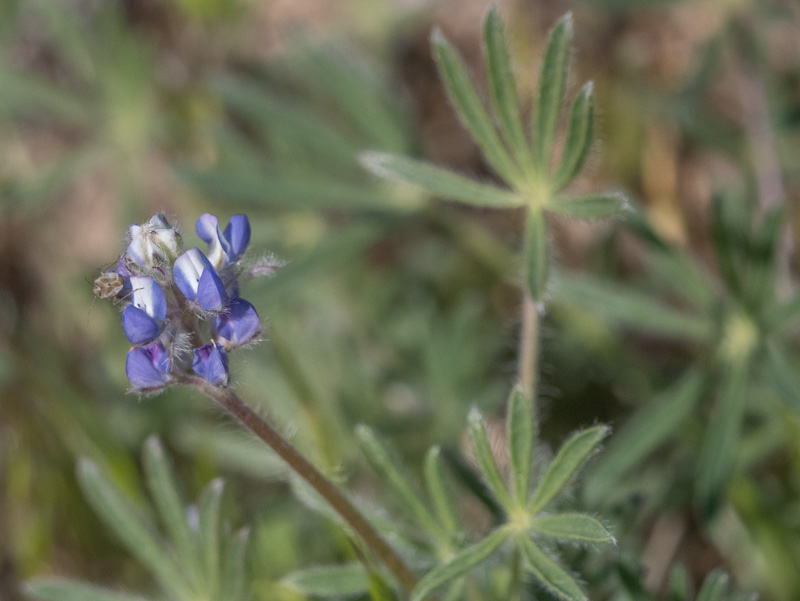
Antelope Valley, CA
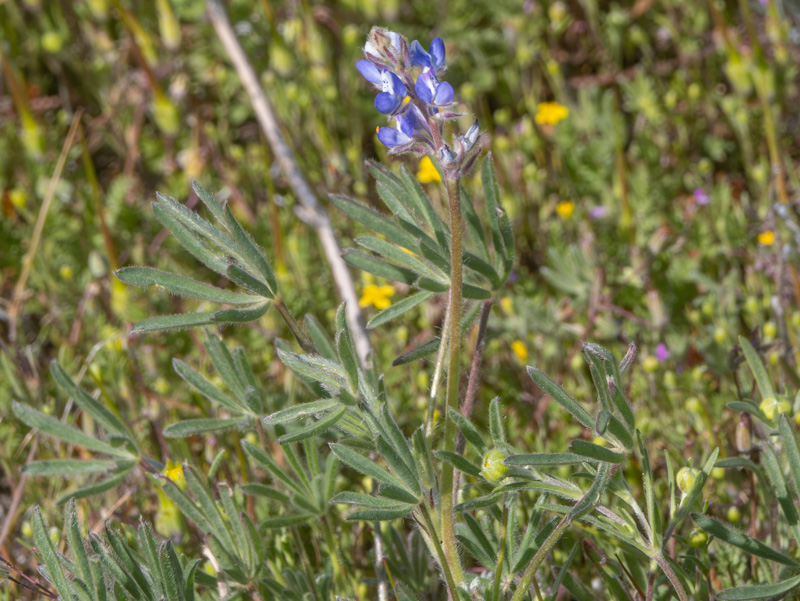
Antelope Valley, CA
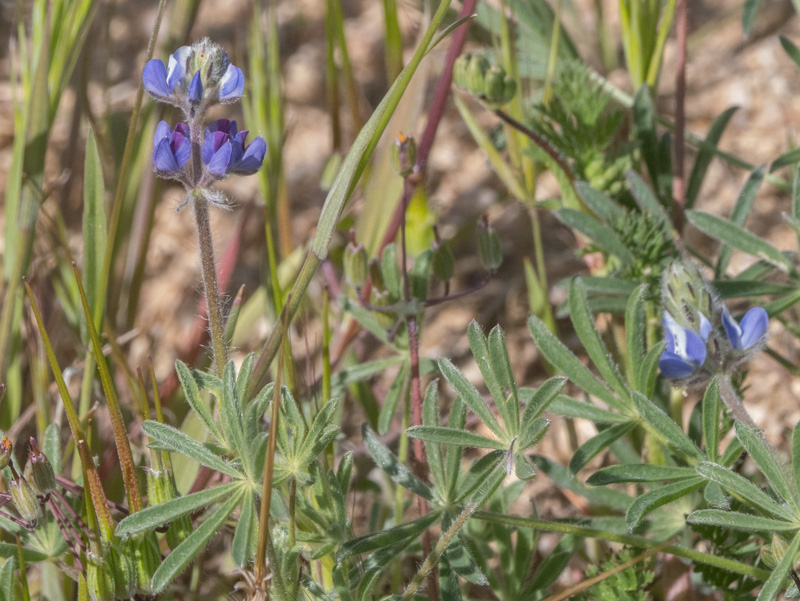
Antelope Valley, CA
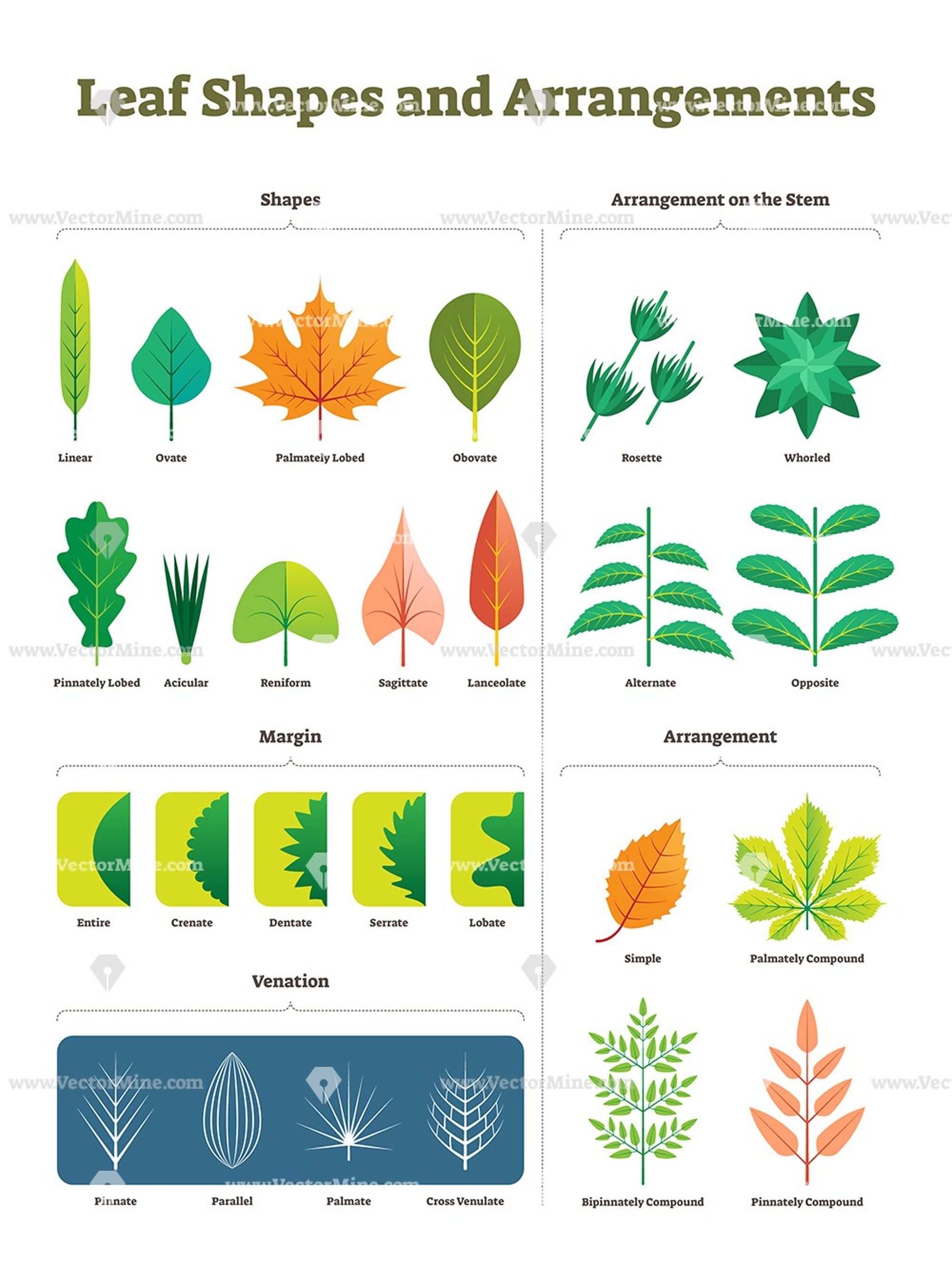
Plant anatomy can help classify species, especilly if you know the terms to enter in the search engine.
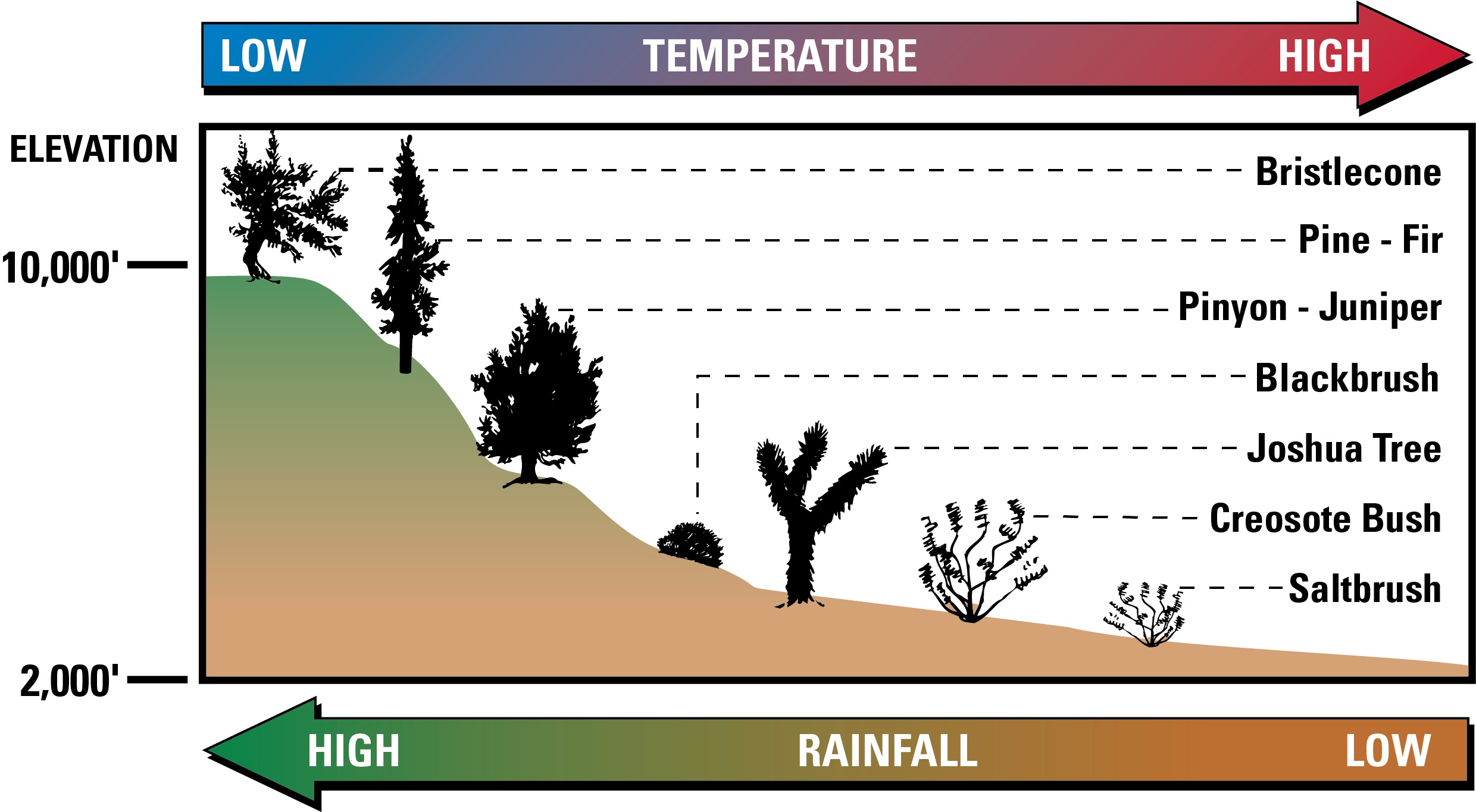
Mojave vegetation biomes

Bird Markings are often colorful and one way to identify species.
I am usually out hiking, birding or traveling but you can reach me at: