Names and Taxonomy
- Common Names: Creosote Bush, greasewood, and chaparral
- Synonyms:
- Family: Zygophyllaceae (Bean-caper and Caltrop)
- Genus Information:
Creosote Bush
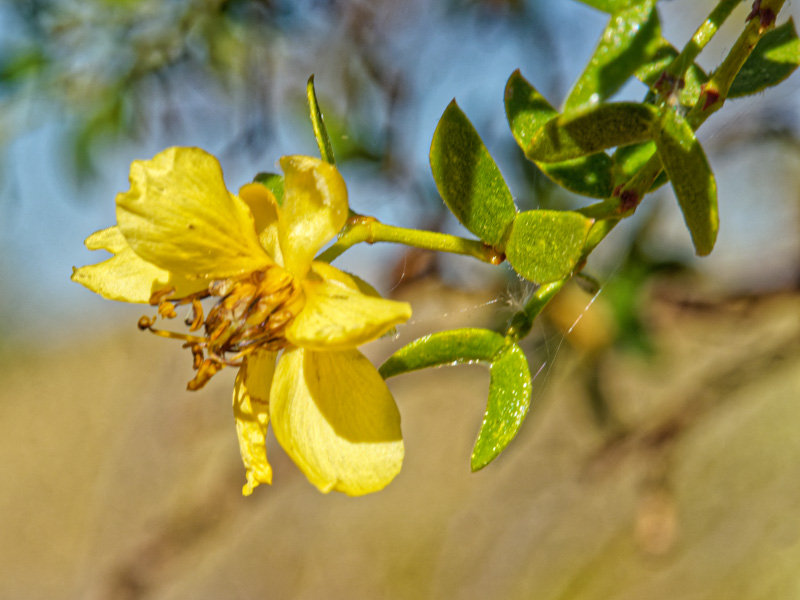
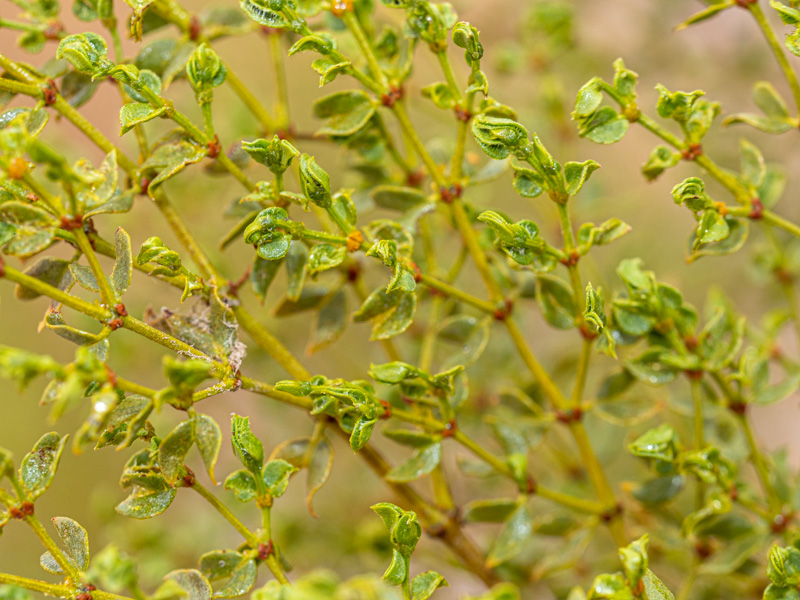
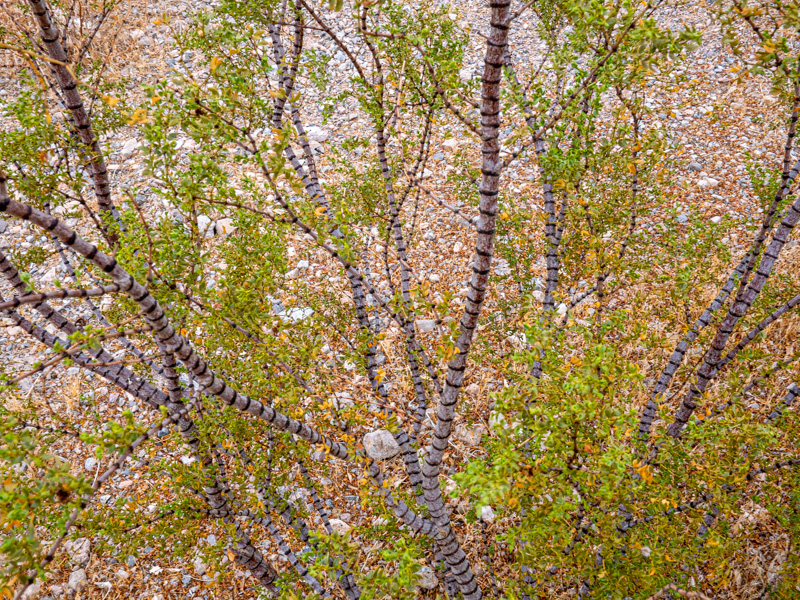
It is known for its distinctive, earthy scent that is released after rain, its small, waxy leaves, and its ability to thrive in harsh, arid conditions. The plant is also known for its longevity and its role in the desert ecosystem, providing shelter and inhibiting the growth of other plants nearby. An evergreen shrub with flexible, branching stems and small, dark green, resinous leaves. It typically grows to be 3–10 feet tall and wide. The light gray stems of the plant bear resinous, dark green leaves with two opposite lanceolate leaflets joined at the base, with a deciduous awn between them. The flowers are up to 1 inch (2.5 cm) in diameter, with five yellow petals. The fruit is a brown-burgundy spherical, fuzzy capsule, which separates into five individual carpels each containing one seed. Galls may form by the activity of the creosote gall midge. The whole plant exhibits a characteristic odor of creosote, from which the common name derives. In the regions where it grows, its smell is often associated with the smell of rain, as the scent of its resinous leaves intensifies in rain.
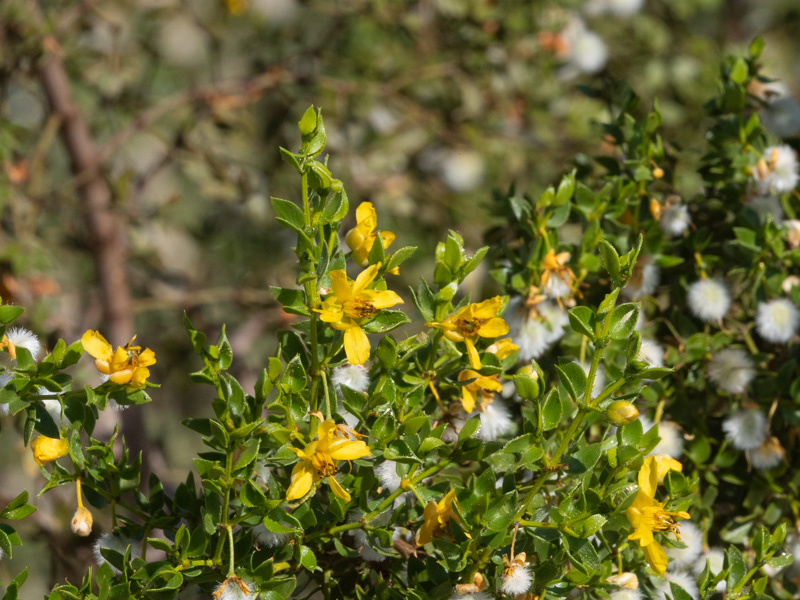
As the creosote bush grows older, its oldest branches eventually die and its crown splits into separate crowns. This normally happens when the plant is 30 to 90 years old. Eventually, the old crown dies and the new ones become a clonal colony from the previous plant, composed of many separate stems all from the same seed. The cloned individuals sometimes form a "ring" around the original plant, which may no longer be visible. The "King Clone" creosote ring is one of the oldest living organisms on Earth. It has been alive an estimated 11,700 years, in the central Mojave Desert near present-day Lucerne Valley, California.
Valley of Fire
Valley of Fire
Valley of Fire
Valley of Fire
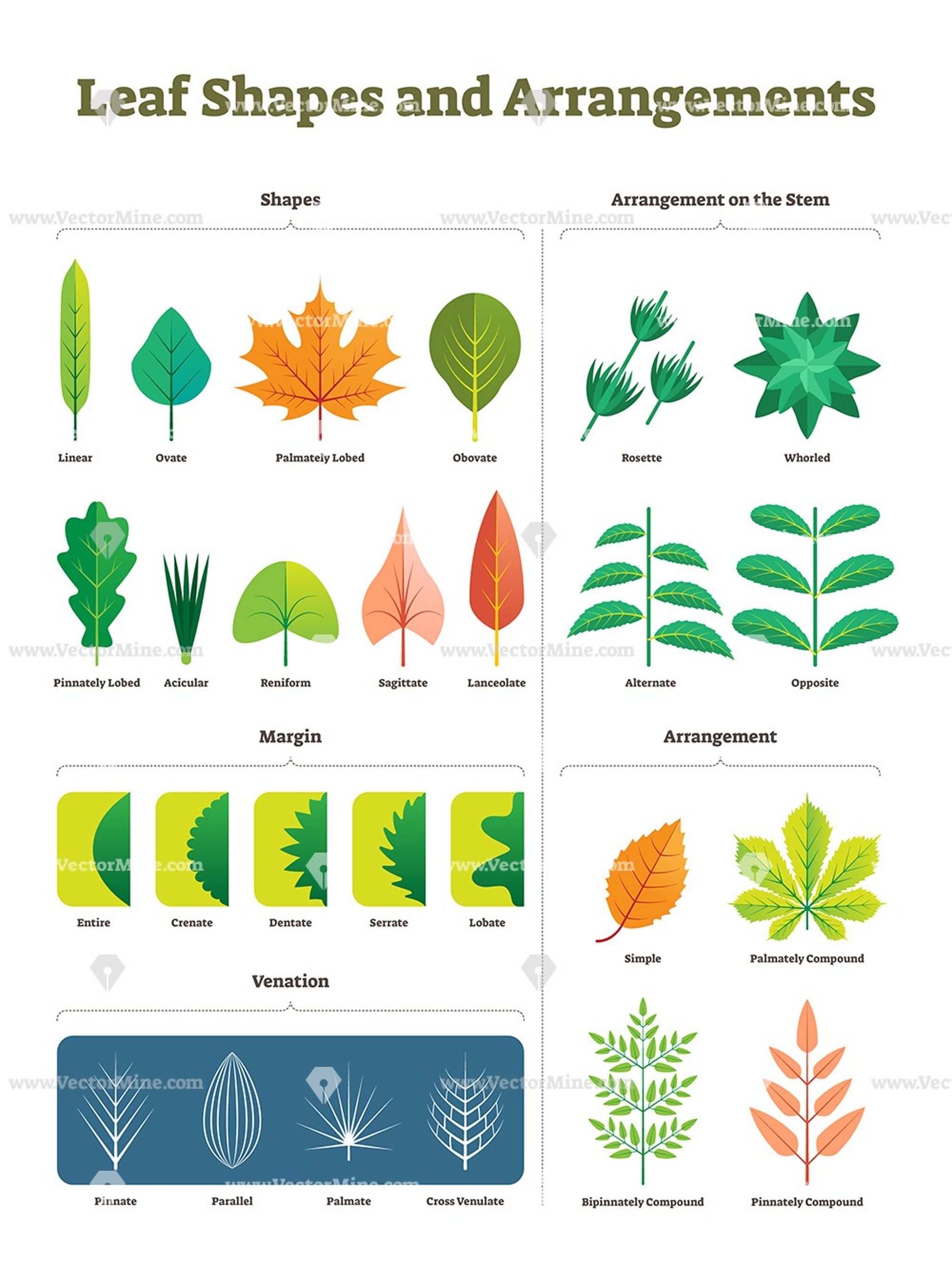
Plant anatomy can help classify species, especilly if you know the terms to enter in the search engine.
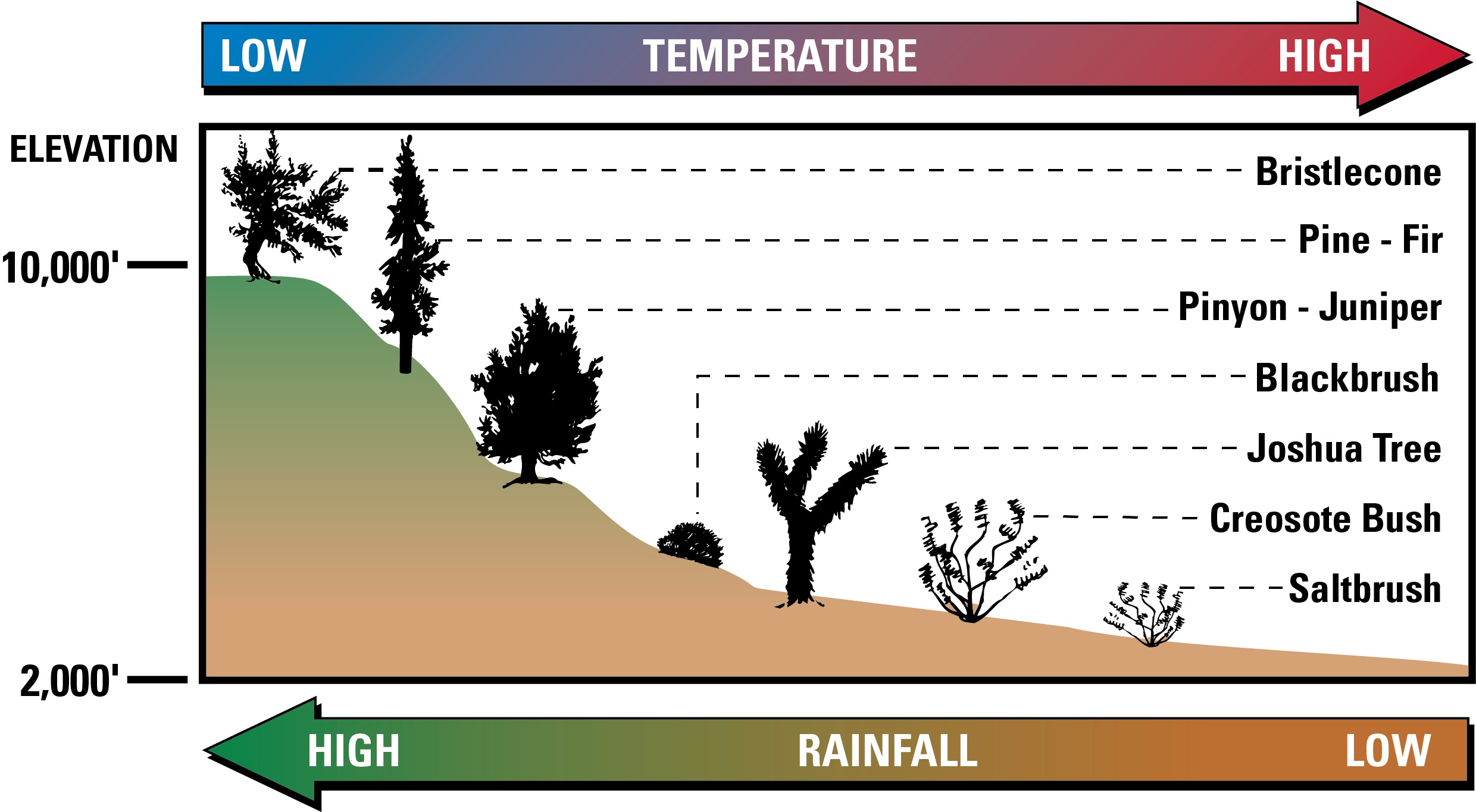
Mojave vegetation biomes
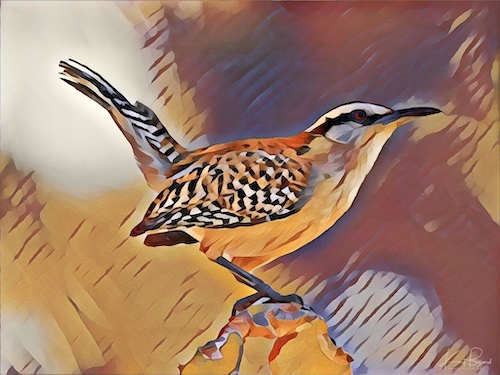
Bird Markings are often colorful and one way to identify species.
I am usually out hiking, birding or traveling but you can reach me at: