Names and Taxonomy
- Common Names: western pricklypear cactusmojave prickly pear
- Synonyms: opuntia erinacea var. ursina (in part)
- Family: cactaceae
- Genus Information: CA 31, TX 31, AZ 24, NM 19, NV 16, UT 14
Western Pricklypear
A densely spiny cactus of the eastern Mojave, characterized by its upright growth and impressively long, straw-colored spines. Opuntia diploursina is a diploid species that was previously included within the Opuntia erinacea complex. It is distinguished by its incredibly dense spination; the central spines can occasionally reach lengths of up to 6 inches on older parts of the plant, giving it a shaggy, grizzly appearance.
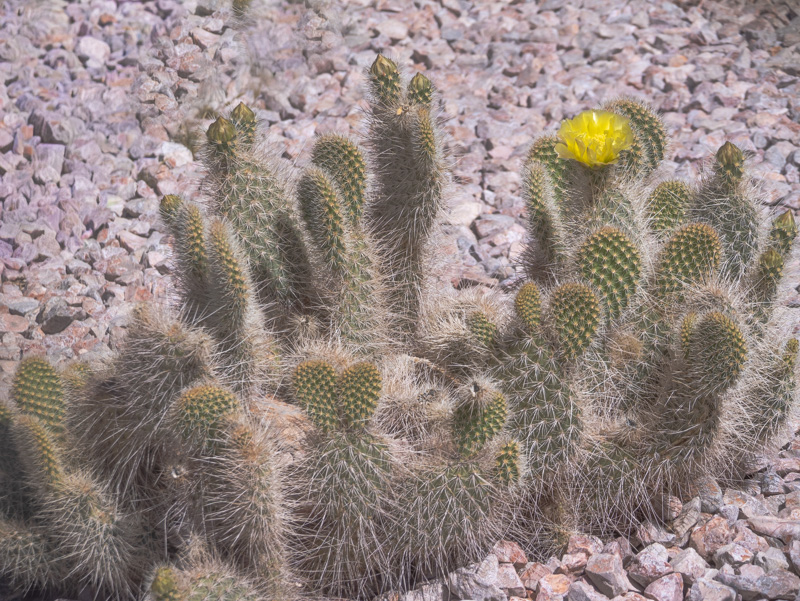
Observed in the rocky bajadas of southern Nevada.
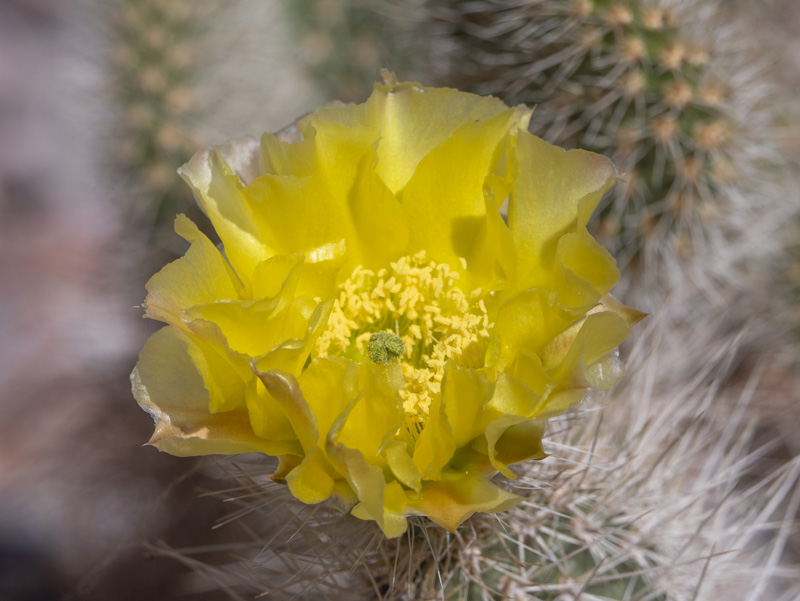
Observed in the rocky bajadas of southern Nevada.
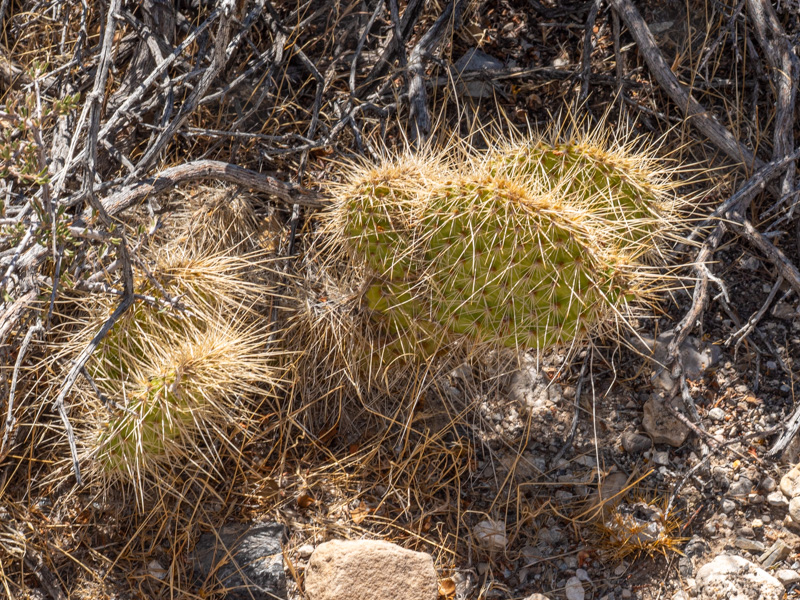
Observed in the rocky bajadas of southern Nevada.
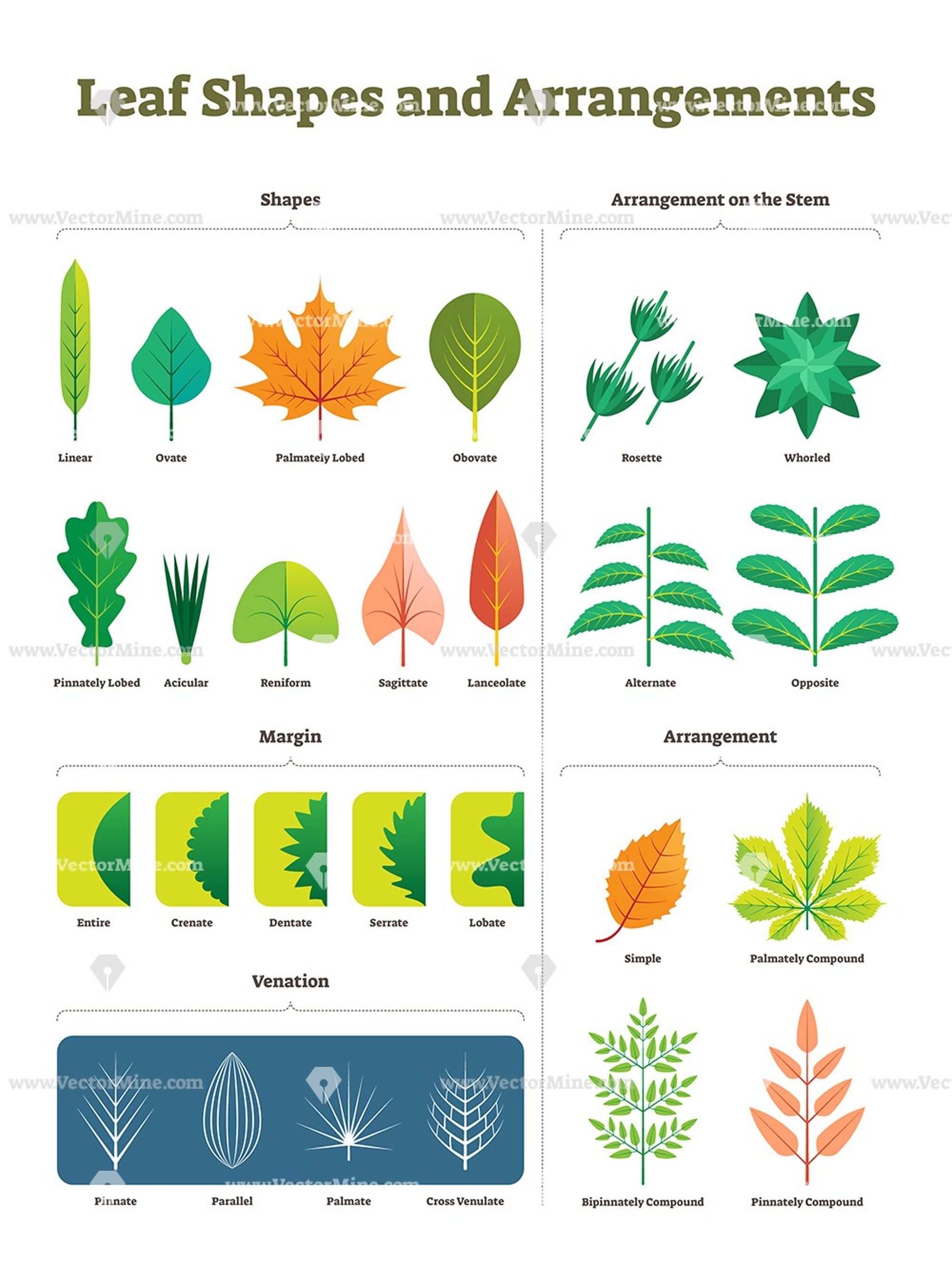
Plant anatomy can help classify species, especilly if you know the terms to enter in the search engine.
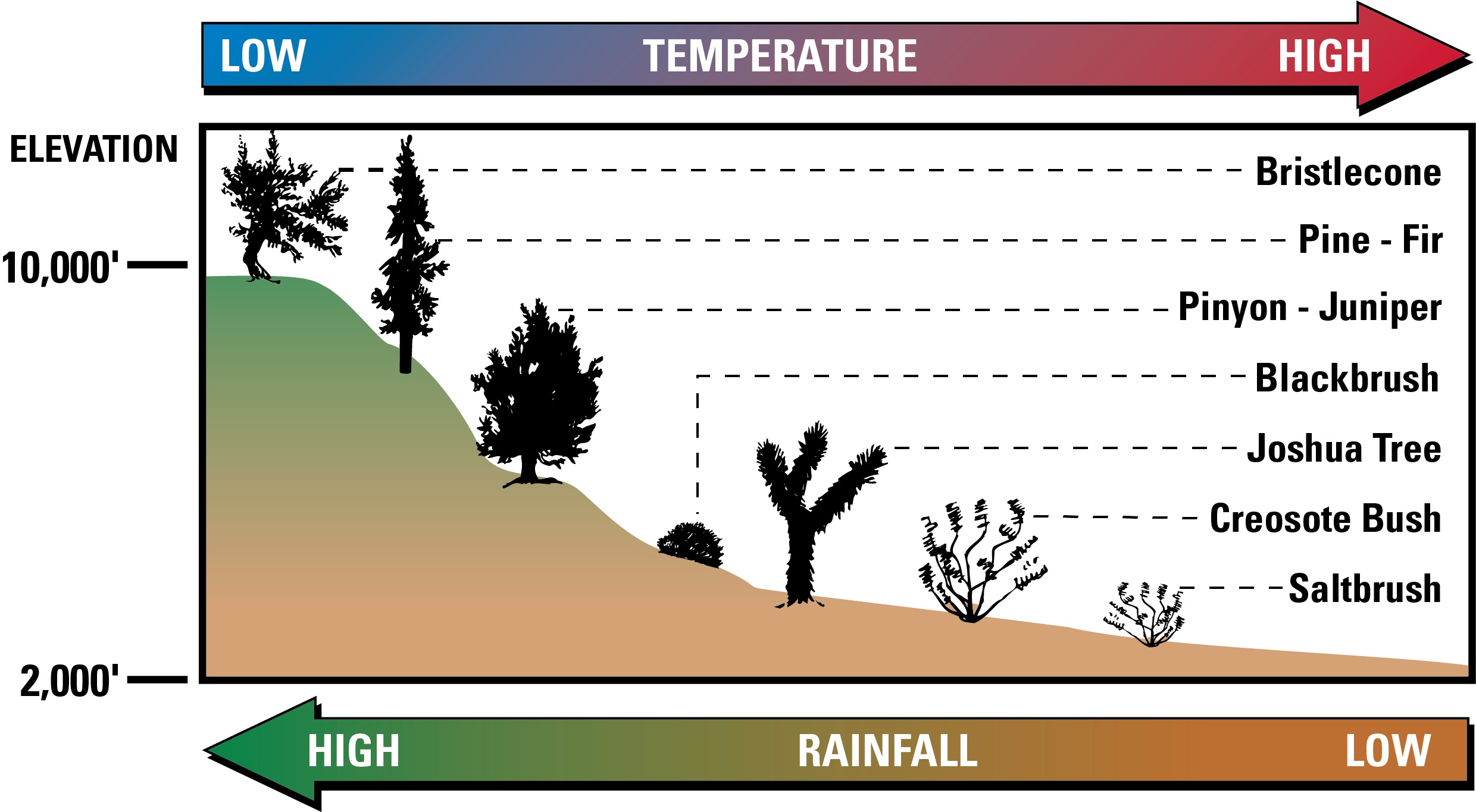
Mojave vegetation biomes
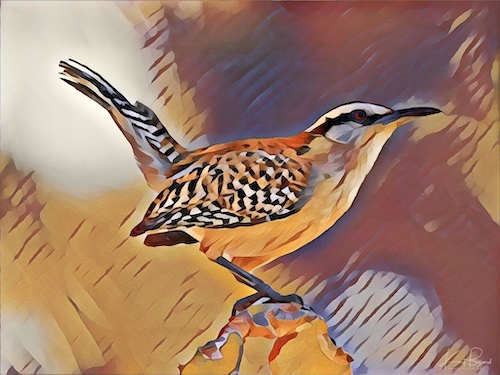
Bird Markings are often colorful and one way to identify species.
I am usually out hiking, birding or traveling but you can reach me at: